
Written by Zita Sham, Fairuuz Saleh and Shiv Mohan Banka, Principal Physiotherapists at Phoenix Rehab.Clinically reviewed by Louise Yow, Principal Physiotherapist & Director, AHPC A1300363H.Last reviewed 28 September 2026.
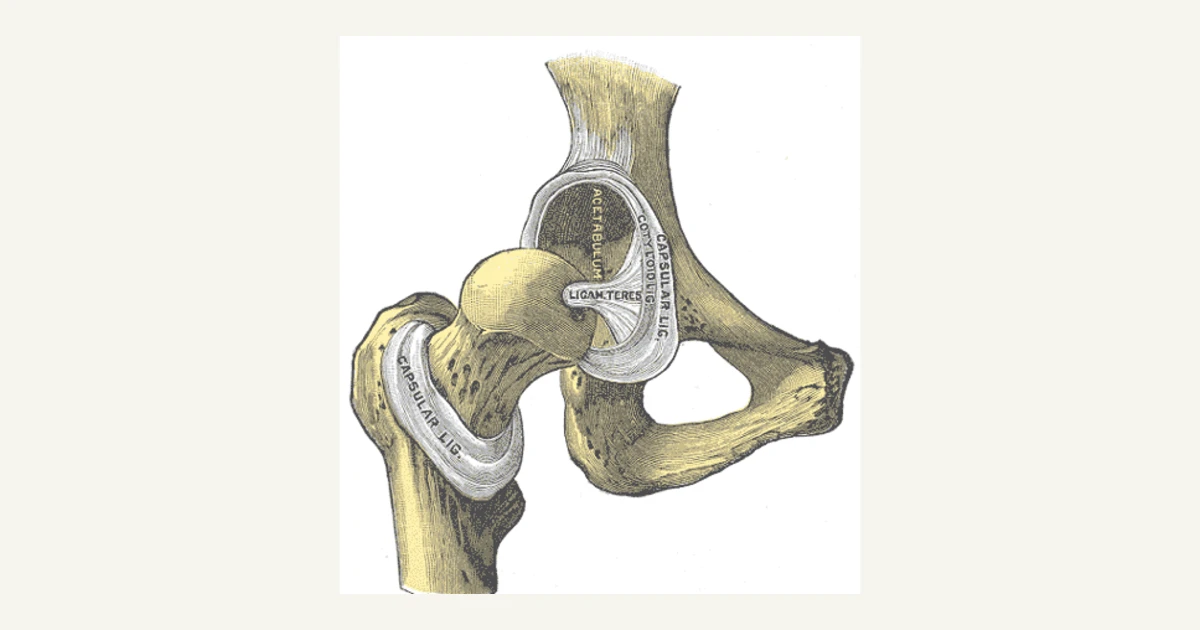
A hip dislocation happens when the joint connecting your leg to your pelvis gets dislodged from the hip socket. This phenomenon is just as painful as it sounds, requiring immediate medical attention and extensive hip physiotherapy for complete recovery.
This article provides a comprehensive guide to hip dislocation symptoms and diagnosis, and how physiotherapy treatment helps. Look out for practical post-operative tips to fully recover from a traumatic hip dislocation.

How Does a Hip Get Dislocated?
Hip dislocations can be traumatic, caused by a sudden, high-force impact like a car accident or a fall. Traumatic hip dislocations often involve a femoral head fracture (the ball of the femur bone) or femoral neck. Alternatively, a hip joint might be malformed in rare congenital cases, increasing the risk of dislocation even with minor stress.
Physical therapy and manipulation techniques are typically the first line of treatment for managing hip dislocation. This is because they are often effective and less invasive than any surgical intervention. In fact, hip replacement procedures in Singapore are generally reserved for more chronic hip problems like hip dysplasia, inflammatory arthritis, and osteoarthritis.
Before diving into treatment, it’s important to understand what type of hip dislocation you are dealing with.
Classifications of Hip Dislocations
There are various types of hip dislocations depending on the direction the femoral head dislocates. Posterior dislocations are the most common. Anterior dislocations are less frequent. Central dislocation is the rarest, often from severe accidents. Let’s dive deep into hip dislocation classifications below.
Posterior Hip Dislocation
This occurs when the femoral head dislocates backward out of the socket. High-impact events like car accidents (any traumatic injury targeting the hips) or falls with the hip flexed and internal rotation often cause it.
Anterior Hip Dislocation
This is a rare condition where the femoral head dislocates forward. It typically happens due to forceful hyperextension (straightening) and external rotation of the hip.
Central (Superior) Hip Dislocation
This is a serious injury where the femoral head dislocates into the centre of the hip joint, often accompanied by a fracture of the acetabulum (socket).
Here are less common hip dislocations.
Congenital Hip Dislocation
This is a birth defect where the hip joint doesn’t develop properly, causing the hip to be dislocated from the start.
Inferior (Obturator) Hip Dislocation
A rare dislocation where the femoral head dislocates downwards into the obturator foramen (opening) of the pelvis.
Lateral Hip Dislocation
This rather uncommon dislocation happens when the femoral head dislocates outwards, away from the socket.
Symptoms of a Dislocated Hip Joint
The hallmark symptom of a dislocated hip is severe pain and an inability to bear weight on the affected leg. The leg might appear deformed, shortened, or externally rotated. Other symptoms may include the following due to possible sciatic nerve involvement:
- Numbness or tingling down the leg
- Restricted hip mobility
- Bruising and swelling
- Hip stiffness
Diagnosis of Hip Dislocations
An orthopedic surgeon will diagnose a hip dislocation through a clinical examination and imaging tests like X-rays, CT scans, and MRI scans to confirm the dislocation and assess for associated fractures.
During a clinical evaluation, the doctor will look for several signs and symptoms and assess your hip mobility, pain, and alignment.
Treatment of Hip Dislocations
The initial treatment focuses on “reducing” the dislocation, meaning putting the femoral head back into the socket. This can be done through closed reduction (manipulation with traction) or surgery in severe cases with loose bone fragments in the joint space or a trapped sciatic nerve. After reduction, pain management and protecting the joint with a brace or splint are crucial.
Why Physiotherapy is Essential for Hip Dislocations
While the initial treatment focuses on relocating the joint, hip physiotherapy is vital for long-term recovery. Even after closed reduction, soft tissue damage surrounding the joint is likely. Physical therapy providers in Singapore like Phoenix Rehab support this healing process by incorporating personalised techniques to reduce pain and inflammation. Below are just a few examples of effective physical therapy treatments.
Pain Management
Techniques like manual therapy, electrical stimulation, and therapeutic ultrasound can effectively reduce pain and inflammation after dislocation. This method also applies to physiotherapy for hip labral tear.
Regaining Range of Motion
Gentle stretching exercises progressively improve hip joint mobility, allowing for a wider range of movement without discomfort.
Strengthening Exercises
Targeted exercises strengthen the surrounding muscles in the hip joint, improving stability and reducing the risk of future dislocations. This may involve using resistance bands, weights, or bodyweight exercises. Hip impingement physiotherapy may involve similar methods.
Balance and Gait Training
Balance exercises and gait training help improve proper walking mechanics and prevent falls, which can further complicate the healing process.
Proprioception Exercises
These exercises retrain the body’s awareness of the hip joint’s position in space, improving stability and coordination. Activities may include wobbleboard exercises or single-leg standing.
Similar to hip fracture physiotherapy or physiotherapy for hip osteoarthritis, a tailored program complements the severity of the dislocation and any associated fractures or injuries. A physical therapist will gradually progress the exercises as strength, flexibility, and balance improve.
Eventually, home exercise programs can help to ensure continued progress outside of therapy appointments. These methods help hip patients address pain, regain strength, improve movement of muscles around the hip, and prevent potential complications.
Tips for Post-Operative Recovery at Home
Following surgery for a hip dislocation, your physiotherapist will guide you on specific exercises and stretches to perform at home. Make sure to follow weight-bearing restrictions as instructed by your orthopedic surgeon before taking these steps. Here’s a breakdown of key strategies:
General Safety Measures
- Maintain a Healthy Weight: Excess weight puts extra stress on the hip joint. Maintaining a healthy weight through a balanced diet and exercise can significantly reduce the risk of dislocation.
- Minimize Hip Strain: Avoid activities that involve repetitive or forceful movements that strain the hip joint. If your job requires prolonged standing or awkward postures, consider using ergonomic equipment or taking regular breaks to stretch and rest your hips.
- Address Underlying Conditions: Certain medical conditions like loose ligaments (laxity) or hip dysplasia can increase the risk of dislocation. Talk to your doctor about managing these conditions to promote hip stability.
Safety in Sports and Activities
- Protective Gear: When participating in high-impact sports like football, hockey, or rugby, wear appropriate protective gear like padded shorts or hip guards to absorb impact and cushion the joint during falls.
- Technique Training: Proper technique is essential in activities like gymnastics, dancing, or martial arts. Work with a qualified coach to learn movements that minimize stress on the hip joint.
- Know Your Limits: Pushing yourself beyond your physical capabilities increases the risk of injury. Listen to your body, avoid excessive force or strain, and gradually increase intensity in any new activity.
Maintaining Hip Health
- Regular Exercise: Regular physical activity, including exercises that strengthen the muscles around the hip joint, improves flexibility and stability, reducing the risk of injury.
- Proper Nutrition: A healthy diet rich in calcium, vitamin D, and other essential nutrients promotes strong bones and healthy muscles, both crucial for hip health.
- Adequate Hydration: Staying hydrated helps maintain joint lubrication and flexibility, reducing the risk of stiffness and strain.
- Avoid Sudden Movements: Avoid sudden, forceful movements that can stress the hip joint. When lifting objects, bend your knees and keep your back straight to avoid straining your hips.
These tips plus maintaining a healthy lifestyle can significantly reduce your risk of hip dislocation and keep your hips strong and mobile for years to come.
Conclusion
Hip dislocation is a serious injury that can lead to long-term complications like avascular necrosis (loss of blood supply to the femoral head) if not treated promptly and followed by thorough physiotherapy. Hip physiotherapy plays a critical role in regaining a full range of motion, strengthening the joint, and preventing future dislocations.
Complete recovery takes time and dedication to the physiotherapy program designed by your healthcare team. Don’t hesitate to seek medical attention if you experience persistent pain, limited mobility, or any unusual symptoms after a hip injury.
Where are you with this right now?
1. It is settling on its own
Hip pain from a specific overload often settles over six to twelve weeks with load management and graded strengthening. If you can walk further this month than last and sleeping on that side is getting easier, it is settling. You do not need us for this, and we would rather say so.
What our patients say
Google reviews from our clinics in Singapore.


2. It has stopped improving
You put your socks on sitting down. You have stopped sleeping on that side. You take the stairs one at a time without noticing.
The hip stops hurting long before the muscles around it are strong again. That gap is where the limp comes from. That is the gap worth measuring, and it is not measured by how you feel on the day.
The Stalled Recovery Review is three appointments over three weeks with the same therapist, because what a joint does under load cannot be read in one visit. The first finds what is limiting it. The next two measure how it responds. $690, nett, no GST, which is three appointments at $230.
3. You have had surgery, or you have a date
Recovery after an operation has a shape, and knowing which stage you are in tells you whether you are on it. See the Hip Replacement Recovery Program, or hip physiotherapy if you are not sure which applies to you.
All of it runs on the same four stages. The Phoenix Recovery Protocol explains what each stage works on and what you have to meet to move up. No referral needed to start.
Next step
Find out which stage you are in
Pain is the first thing to leave. Movement and strength are the last things trained back, and most people stop before that part is done. One Assessment and Treatment is a single 45-minute appointment at $230, nett, no GST. Your therapist finds what is actually limiting you, treats it in the same appointment, and you leave with your current stage and a written plan.
Prefer to phone? Each of our five clinics has its own number on the clinics page. No referral needed to book.
Related reading
Where we are
Clinics across Singapore
ORCHARD
400 Orchard Road #12-12
Orchard Towers, S238875
NS22 Orchard MRT
Physiotherapy and hand therapy in Orchard →
WhatsApp 8800 1830TAMPINES
9 Tampines Grande #01-20
Asia Green, S528735
EW2DT32 Tampines MRT
Physiotherapy and hand therapy in Tampines →
WhatsApp 8780 9608SERANGOON
265 Serangoon Central Drive #04-269
S550265 · Lift C only
NE12CC13 Serangoon MRT
Physiotherapy and hand therapy in Serangoon →
WhatsApp 8892 4121TANJONG PAGAR
10 Anson Road #02-77A
International Plaza, S079903
EW15 Tanjong Pagar MRT
Physiotherapy and hand therapy in Tanjong Pagar →
WhatsApp 8227 7074JURONG EAST
2 Venture Drive #02-02
Vision Exchange, S608526
NS1EW24 Jurong East MRT
Opening 25 October 2026
Physiotherapy and hand therapy in Jurong East →
WhatsApp 8242 7340