
Written by Zita Sham, Fairuuz Saleh and Shiv Mohan Banka, Principal Physiotherapists at Phoenix Rehab.Clinically reviewed by Louise Yow, Principal Physiotherapist & Director, AHPC A1300363H.Last reviewed 28 September 2026.
When it comes to recovery time for a slipped disc, understanding the process and knowing what to expect can make a significant difference in your healing journey. Knowing the basics and standard procedures for pain management head-on can help you prepare to adjust your lifestyle accordingly.
Herniated discs occur regardless of age or health condition as per research studies. Without proper diagnosis, it can be easily mistaken for normal back pain or muscle strain. In Singapore, back pain usually disappears within six weeks without treatment, but pain from a herniated lumbar disc worsens over time if not treated.

In this article, we’ll shed some light on what to expect when undergoing a slipped disc recovery and explore everything you need to know about recovery time, from understanding the condition to factors influencing healing and ways to expedite recovery.
Understanding Slipped Disc Recovery: What to Expect
Most herniated discs and their healing processes vary in cases. Recovery from a slipped disc can vary depending on several factors, including the severity of the herniation, the individual’s overall health, and the chosen treatment approach.
Many opt for conservative treatment options for slipped discs, especially when the symptoms are mild to moderate and there is no significant nerve root compression or spinal cord involvement.
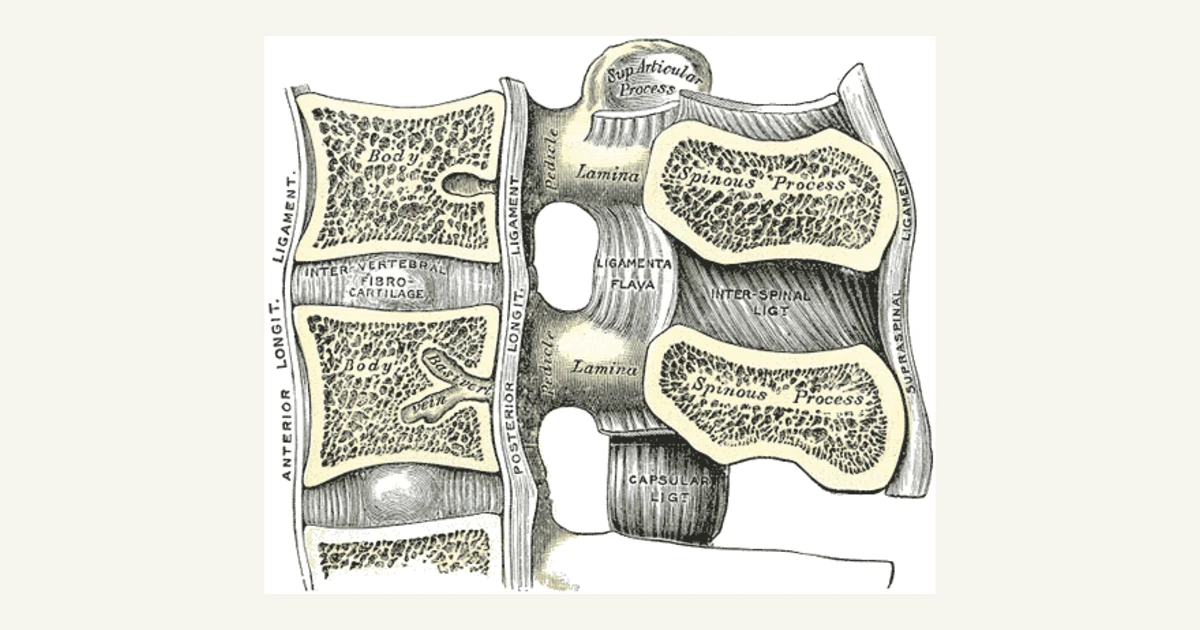
A prolapsed or herniated disc occurs when the soft inner core of a spinal disc pushes out through a tear in the tougher exterior. This can lead to nerve compression, causing symptoms like back pain, muscle weakness, and even sciatic nerve pain that radiates down the leg.
How Long Does a Herniated Disc Take to Heal?
One of the first questions on anyone’s mind after a slipped disc diagnosis is, “How long until I feel normal again?” The duration of recovery time for slipped discs varies from person to person and depends on several factors, most of which were mentioned above.
If your condition isn’t severe, your slipped disc should heal within four to six weeks. You can expedite your body’s healing process by reducing activities that might strain your back or undergoing slipped disc physiotherapy to help maintain mobility and prevent stiffness.
In Singapore, Phoenix Rehab provides personalized treatment to relieve pain associated with a damaged disc, causing pain and frustration to patients. They fully understand the challenges faced when dealing with a slipped or prolapsed disc, which is why they incorporate tailored treatments to address each patient’s unique needs. Approaches emphasizing on holistic perspective contribute significantly to disc problems.
In severe cases where slipped discs are left untreated or checked, recovery may take longer or worse, require slipped disc surgery. It’s essential to follow your healthcare provider’s recommendations and stay consistent with your treatment plan to promote healing and prevent further complications.
Signs Your Herniated Disc Is Healing
As you progress through your recovery journey, it’s essential to pay attention to subtle signs that indicate your herniated disc is healing. If you experience the following signs, you may be close to either short-term relief or long-term recovery.
Reduced Pain/Pain Relief
Initially, you may experience pain relief as the inflammation subsides and pressure on the nerves decreases. As the herniated disc heals, the pressure on nearby nerves decreases, leading to a reduction in pain and discomfort.
Improved Muscle Strength
As your muscles gradually recover, you may notice increased strength and reduced muscle weakness, especially in the affected area.
Improved Sensation
If the slipped disc caused numbness or pins and needles in the lower limbs, a return to normal sensation is a positive sign of healing. Numbness and tingling sensations caused by nerve compression often diminish as the herniated disc heals and pressure on the nerves is alleviated.
Enhanced Mobility
You may find it easier to perform day-to-day activities and move without experiencing the same level of discomfort or limitation. As inflammation subsides and nerve compression eases, individuals regain their range of motion and flexibility.
Return of Bladder or Bowel Function
In cases where a herniated disc affects the lower spine and causes issues with bladder or bowel function, improvement in these areas signifies healing.
Better Sleep
Reduced nighttime pain and improved comfort allow for better sleep patterns, contributing to overall recovery.
Less Leg Pain
A common early sign of a healing herniated disc is reduced sciatica or leg pain. If the pain becomes less intense or doesn’t spread as far down the leg, it indicates positive progress in healing.
Keep in mind that these signs may manifest gradually over time, and it’s essential to communicate any changes with your physiotherapist or healthcare provider.
Speeding Up Recovery from a Slipped Disc
While recovery time for slipped discs can’t be rushed, there are steps you can take to facilitate the healing process and promote a faster recovery.
We’ve covered nonsurgical treatment options like physical therapy. Aside from providing long-term relief, this approach can also help speed up the healing process. Depending on your case, follow your physiotherapists’ recommendations. Pain relief and anti-inflammatory medication are a decision for your doctor or pharmacist.
Moreover, engage in a structured physical therapy program designed to strengthen the muscles supporting your spine, improve flexibility, and alleviate pain.
It’s also wise to observe and implement the initiatives below.
- Strengthening Exercises: Incorporate targeted exercises into your daily routine to strengthen the muscles around the affected area and reduce the risk of future injury.
- Proper Posture: Maintain good posture throughout the day, whether sitting, standing, or lifting objects, to alleviate strain on your spine and promote healing.
- Regular Exercise: Stay active with low-impact exercises like walking, swimming, or cycling to promote blood flow, flexibility, and overall well-being.
- Healthy Lifestyle Choices: Adopting a healthy lifestyle, including a balanced diet, adequate hydration, and avoiding smoking, can support your body’s natural healing processes.
- Avoiding Strenuous Activities: Refrain from engaging in strenuous physical activities or lifting heavy objects that could exacerbate your symptoms or delay healing.
If you commit to your recovery plan, you give the recovery its best chance.
Factors that Can Slow Down Your Healing
A lot of people may find faster ways to recover from disc damage and conditions, while others look up what to avoid when trying to heal from it.
Below are several key factors that can affect the healing process of a slipped disc.
- Severity of injury: A more severe herniation requires a longer recovery time than a less severe case.
- Age: Younger individuals typically recover faster from injuries, including herniated discs, due to the body’s more robust healing capabilities
- Overall health: Individuals in good health often recover faster from a herniated disc than those with other health conditions.
- Treatment approach: Proper treatment and non-commitment to any, can significantly impact the healing process. Adhering to the recommended treatment plan, including exercises and lifestyle modifications, is crucial for a successful recovery.
- Heavy Lifting: Lifting heavy objects or engaging in strenuous activities before the disc has fully healed can exacerbate symptoms and delay recovery.
- Smoking: Smoking can impair blood flow and oxygen delivery to the spine, slowing down the healing process and increasing the risk of complications.
- Ignoring Symptoms: Ignoring warning signs or failing to seek timely medical attention can lead to further injury or complications, prolonging recovery time.
- Incomplete Rehabilitation: Skipping physical therapy appointments or neglecting to follow through with recommended exercises can impede progress and delay healing.
To recover faster from a slipped disc, address these factors and make necessary adjustments to your lifestyle and habits so you can support your body’s natural healing mechanisms and promote a smoother recovery process.
Timeline For Healing From A Slipped Disc
While every individual’s journey to recovery is unique, a general timeline for healing from a slipped disc can provide a helpful framework.
The recovery process involves several stages, including pain relief, inflammation reduction, and tissue repair.
In the first few weeks of recovery, you would want to prioritize pain management and reducing inflammation through rest, ice or heat therapy, and medication as prescribed. This initial stage focuses on easing discomfort and preparing the body for the healing process.
As symptoms start to improve, usually after several weeks to a few months, gradually reintroduce gentle stretching and strength exercises under the guidance of a physical therapist. This stage aims to rebuild muscle strength and flexibility, which are crucial for supporting the spine and preventing future injuries.
By three to six months, most individuals experience significant relief from pain and improvement in mobility. However, some residual symptoms may still be present. It’s essential to continue with a structured rehabilitation program during this period to further enhance outcomes and reduce the risk of recurrent injury.
For those who continue to adhere to a structured rehabilitation program for six months to one year, the likelihood of achieving full recovery increases significantly. This stage is characterized by a consistent focus on maintaining spinal health through regular exercise, proper posture, and lifestyle modifications.
While the majority of individuals achieve full recovery within the first year, ongoing maintenance of spinal health is crucial for long-term well-being.
Regular exercise, proper posture, and lifestyle modifications remain essential for maintaining a healthy spine and preventing future slipped discs. Following this timeline and prioritizing spinal health can help you navigate through the recovery journey with a clear understanding of what to expect and how to promote healing.
Conclusion
Recovery time for slipped discs varies from person to person, but most individuals can expect to recover within six weeks without surgery. With patience and a staged plan, the aim is a steady return to normal activities, with progress checked at each stage. By understanding the signs of improvement and factors that can affect healing, you can take a proactive approach to recovery. If symptoms persist or worsen, seek medical attention as soon as possible, so your healthcare provider can reassess the situation and adjust the treatment plan as necessary. Remember to consult with your physiotherapist for personalized guidance and treatment recommendations tailored to your specific needs.
If a disc has been operated on, decompressing the nerve and rehabilitating the spine are two different jobs. See the Lumbar Microdiscectomy Recovery Program, which sets out the four stages and what moves you up.
Where are you with this right now?
1. It is settling on its own
Most episodes of back pain settle substantially within six weeks, and staying active beats resting. Scans early on tend to find changes that are common in people with no pain at all. If it is easing week on week and you are moving more rather than less, that is the normal course. You do not need us for this, and we would rather say so.
2. It has stopped improving
You think about how you will get out of the car before you park. You brace before you sneeze. You have stopped lifting anything off the floor without planning it.
The pain leaving is not the same as the capacity coming back. If nothing was loaded again, the back returns to daily life with less than it had. That is the gap worth measuring, and it is not measured by how you feel on the day.
The Stalled Recovery Review is three appointments over three weeks with the same therapist, because what a joint does under load cannot be read in one visit. The first finds what is limiting it. The next two measure how it responds. $690, nett, no GST, which is three appointments at $230.
3. You have had surgery, or you have a date
Recovery after an operation has a shape, and knowing which stage you are in tells you whether you are on it. See the recovery programs, or lower back physiotherapy if you are not sure which applies to you.
All of it runs on the same four stages. The Phoenix Recovery Protocol explains what each stage works on and what you have to meet to move up. No referral needed to start.
Next step
Find out which stage you are in
Pain is the first thing to leave. Movement and strength are the last things trained back, and most people stop before that part is done. One Assessment and Treatment is a single 45-minute appointment at $230, nett, no GST. Your therapist finds what is actually limiting you, treats it in the same appointment, and you leave with your current stage and a written plan.
Prefer to phone? Each of our five clinics has its own number on the clinics page. No referral needed to book.
Related reading
- physiotherapy after surgery
- lower back physiotherapy
- Dealing with Lower Back Pain Caused by Deadlifts
- Upper Back Pain After Waking Up: Causes and What Helps
- Navigating Middle Back Pain: Practical Tips for a Pain-Free Life
- The Phoenix Recovery Protocol, and the four stages
- All recovery programs, hand and physio
- Yoga for Slipped Disc Recovery: Gentle Exercises for Healing
Where we are
Clinics across Singapore
ORCHARD
400 Orchard Road #12-12
Orchard Towers, S238875
NS22 Orchard MRT
Physiotherapy and hand therapy in Orchard →
WhatsApp 8800 1830TAMPINES
9 Tampines Grande #01-20
Asia Green, S528735
EW2DT32 Tampines MRT
Physiotherapy and hand therapy in Tampines →
WhatsApp 8780 9608SERANGOON
265 Serangoon Central Drive #04-269
S550265 · Lift C only
NE12CC13 Serangoon MRT
Physiotherapy and hand therapy in Serangoon →
WhatsApp 8892 4121TANJONG PAGAR
10 Anson Road #02-77A
International Plaza, S079903
EW15 Tanjong Pagar MRT
Physiotherapy and hand therapy in Tanjong Pagar →
WhatsApp 8227 7074JURONG EAST
2 Venture Drive #02-02
Vision Exchange, S608526
NS1EW24 Jurong East MRT
Opening 25 October 2026
Physiotherapy and hand therapy in Jurong East →
WhatsApp 8242 7340What our patients say
Google reviews from our clinics in Singapore.


