
Written by Zita Sham, Fairuuz Saleh and Shiv Mohan Banka, Principal Physiotherapists at Phoenix Rehab.Clinically reviewed by Louise Yow, Principal Physiotherapist & Director, AHPC A1300363H.Last reviewed 28 September 2026.
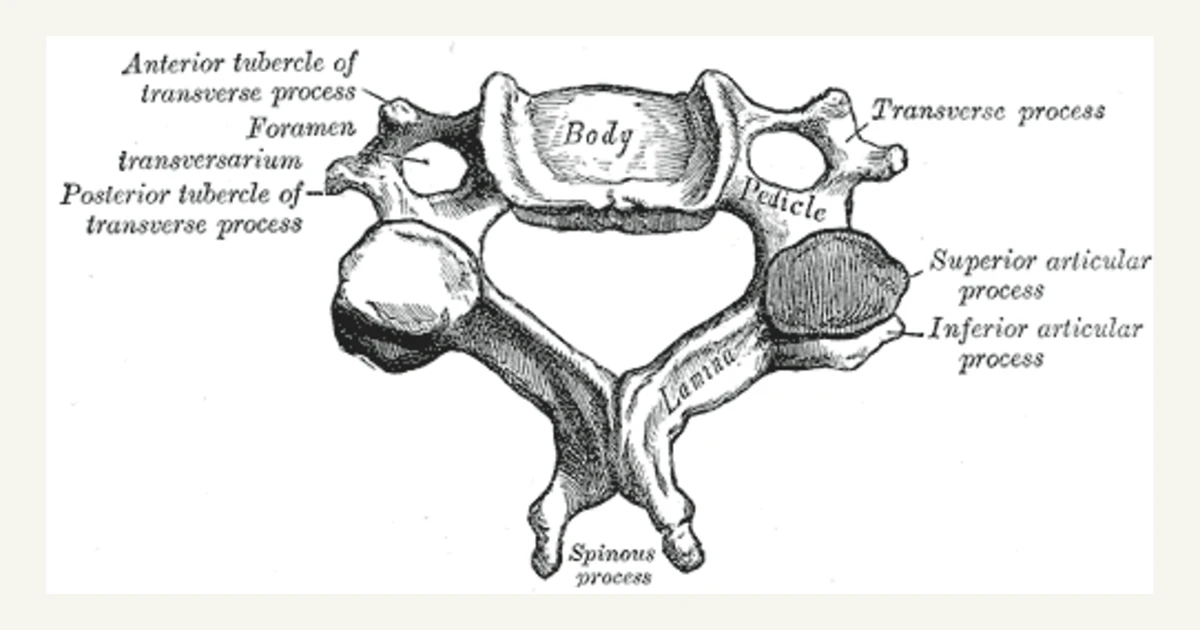
Cervical herniated discs, also known as slipped discs or cervical disc herniation, are a common spinal condition affecting the cervical spine. These herniations occur when the intervertebral disc that serves as a cushion between the vertebrae on your neck protrudes, causing pressure on the spinal cord, spinal nerve, or nerve roots.
While this spinal problem is not uncommon and could even develop without noticeable symptoms as you get older, it is still something to take seriously. In worse but rare cases, cervical disc disease can cause sudden paralysis in the lower body even without any physical injury, with five reported cases in Singapore.

Learn how and when a herniated disc occurs. In this article, we will understand the causes, symptoms, diagnosis, treatment options, and prevention of premature cervical disc disease.
What Causes Herniated Cervical Disc
Your cervical disc helps stabilize the neck for a smooth side-by-side turn, and forward and backward bend. Over time, this body part gets worn out and starts to degenerate, causing a herniated cervical disc. Aging is the most common cause, as the intervertebral discs lose their elasticity and resilience over time, making them more susceptible to herniation.
Genetics also influence the development of cervical herniated discs, often running in families. Inherited traits affecting disc structure and repair mechanisms increase susceptibility. Environmental factors, such as occupation and lifestyle, also play a role.
Other leading factors in developing a herniated disc are traumatic events, such as car accidents or sports injuries, and serious neurological impairment.
Additionally, poor posture, especially during prolonged sitting or standing, can put excessive pressure on the cervical spine, leading to herniated discs.

Identifying Common Symptoms
The symptoms of a cervical herniated disc may vary depending on which disc has herniated and which nerve root has become pinched or inflamed. The pain can vary from an aching sensation in the neck, arm, and hand to electric-like pain that radiates into these same areas.
Abnormal reflexes at the elbows, hands, knees, or ankles can help identify the location of the disc herniation.
While some cervical herniated discs may stem from trauma or neck injury, symptoms often begin spontaneously. Pain and related signs are typically felt in one arm or the other, leading to issues with fine motor skills and nerve function in the hands and arms. This can result in weakness, clumsiness, or difficulty performing tasks that require precise movements.
When a cervical disc compresses the spinal cord, it can cause significant mobility difficulties, including problems with walking and increased muscle stiffness known as spasticity. Additionally, it can lead to issues with controlling bowel and bladder function, referred to as bowel-bladder incontinence.
Loss of balance and coordination may also occur due to pressure on the spinal cord disrupting signals responsible for balance and spatial awareness. This can lead to unsteadiness, difficulty maintaining stable movements, and an increased risk of falls.
These symptoms can profoundly impact quality of life and may necessitate prompt medical attention for proper management and treatment.
Cervical Herniated Discs Diagnosis
Diagnosing a cervical herniated disc involves a thorough physical examination, including a complete physical examination of the neck, arms, and lower extremities. Your doctor will examine your neck for flexibility, range of motion, and reflexes.
MR (magnetic resonance) imaging provides the best way to view the anatomy and soft tissues around the spine. This non-invasive technique effectively identifies nerve compression, spinal cord involvement, and related complications, enabling doctors to create personalized treatment plans.
Doctors can easily visualize herniated discs and explore surgical options. If a patient cannot undergo an MRI, such as when having a pacemaker, doctors may use a CT scan with myelography as an acceptable imaging technique.
When To Call A Doctor
Herniated discs commonly affect men more than women, with individuals aged 35 to 55 having a higher likelihood of developing this condition.
If you experience any of the following symptoms, consult a doctor immediately:
- Severe neck or arm pain
- Numbness or tingling in the arm or hand
- Weakness in the arm or hand
- Difficulty with bowel control
Ignoring these symptoms can lead to worsening pain and functional limitations, as well as potential complications such as permanent nerve damage. Therefore, it’s crucial to consult a healthcare professional for a proper diagnosis and appropriate treatment.
Treatment Options
Treatment for a cervical herniated disc can be divided into two categories: conservative and surgical.
Conservative treatments focus on pain management and rehabilitation, often including over-the-counter medications, physical therapy exercises, and modalities like ice or heat packs.
For cases unresponsive to conservative treatment, surgery may be necessary.
Conservative Treatment
Most cases of cervical herniated disc pain can be successfully managed with nonsurgical treatments. Slipped disc physiotherapy has become increasingly common in Singapore for its high benefits.
Phoenix Rehab is the go-to treatment option for patients with cervical herniated disc pain and other spine health issues. They offer a slipped disc physiotherapy program personalized to each patient’s specific needs and goals.
The focused interventions focus on improving physical function and maintaining normal mobility. These include targeted exercises to strengthen the neck and upper back muscles, stretches to improve flexibility, and education on proper posture and body mechanics to prevent future episodes of cervical herniated disc pain.
Surgical Treatments
If conservative treatments fail, surgical interventions may be necessary. The most common procedure is an anterior cervical discectomy and fusion, which involves removing the herniated disc and fusing adjacent vertebrae to stabilize the spine.
Meanwhile, procedures like posterior cervical discectomy involve removing the herniated disc material through the back of the neck. These procedures are typically performed by a neurosurgeon or pain clinician.
Moreover, surgeons can utilize artificial discs as a treatment option for cervical herniated discs. These artificial discs aim to replace the damaged or herniated disc in the spine, preserving motion and flexibility while reducing pain.
Artificial disc replacement surgery offers an alternative to traditional spinal fusion surgery and has the potential to maintain motion at the treated level of the spine. This approach is usually recommended for patients meeting specific criteria and can effectively treat certain cases of cervical herniated discs.
Preventing Premature Disc Disease
Preventing premature disc disease involves several key strategies. Start with maintaining a normal spinal curvature and adhering to proper lifting techniques can significantly reduce the risk of developing slipped discs prematurely. This means being mindful of posture during daily activities and ensuring that the spine is properly aligned when lifting heavy objects.
Furthermore, a healthy weight is crucial, as excess weight can put added strain on the spine and increase the likelihood of disc herniation. Engaging in regular physical activity not only helps to manage weight but also strengthens the muscles that support the spine, reducing the risk of injury.
Avoiding prolonged periods of sitting or standing is important as well, as both positions can place undue pressure on the spinal discs. Taking regular breaks to change positions and stretch can help reduce this pressure and prevent disc degeneration.
These daily practices eventually help prevent herniated cervical discs and promote spinal health in the long term.
Summary
Dealing with a cervical herniated disc is not easy, with constant discomfort in neck, arm, and feeling of numbness, tingling, and weakness.
What our patients say
Google reviews from our clinics in Singapore.


The good thing is that cervical disc disease can often improve over time, either with conservative treatments or on its own within a few weeks. However, if surgery is required to address the issue, it may take several months to a year for the bone to fully heal and for the symptoms to resolve completely.
During the recovery period, it’s essential to follow your healthcare provider’s recommendations and engage in any prescribed rehabilitation exercises to promote healing and regain strength and mobility. Finally, adopt healthy habits and lifestyle practices to lower the likelihood of this happening.
Where are you with this right now?
1. It is settling on its own
Most episodes of back pain settle substantially within six weeks, and staying active beats resting. Scans early on tend to find changes that are common in people with no pain at all. If it is easing week on week and you are moving more rather than less, that is the normal course. You do not need us for this, and we would rather say so.
2. It has stopped improving
You think about how you will get out of the car before you park. You brace before you sneeze. You have stopped lifting anything off the floor without planning it.
The pain leaving is not the same as the capacity coming back. If nothing was loaded again, the back returns to daily life with less than it had. That is the gap worth measuring, and it is not measured by how you feel on the day.
The Stalled Recovery Review is three appointments over three weeks with the same therapist, because what a joint does under load cannot be read in one visit. The first finds what is limiting it. The next two measure how it responds. $690, nett, no GST, which is three appointments at $230.
3. You have had surgery, or you have a date
Recovery after an operation has a shape, and knowing which stage you are in tells you whether you are on it. See the recovery programs, or lower back physiotherapy if you are not sure which applies to you.
All of it runs on the same four stages. The Phoenix Recovery Protocol explains what each stage works on and what you have to meet to move up. No referral needed to start.
Next step
Find out which stage you are in
Pain is the first thing to leave. Movement and strength are the last things trained back, and most people stop before that part is done. One Assessment and Treatment is a single 45-minute appointment at $230, nett, no GST. Your therapist finds what is actually limiting you, treats it in the same appointment, and you leave with your current stage and a written plan.
Prefer to phone? Each of our five clinics has its own number on the clinics page. No referral needed to book.
Related reading
- physiotherapy after surgery
- lower back physiotherapy
- Slipped Disc Sleeping Position: Tips for Resting Comfortably
- Managing Back Pain After Running: Tips for Recovery and Prevention
- Yoga for Slipped Disc Recovery: Gentle Exercises for Healing
- The Phoenix Recovery Protocol, and the four stages
- All recovery programs, hand and physio
- Exercises for Herniated Disc: Gentle Movements to Consider
- Dry needling
Where we are
Clinics across Singapore
ORCHARD
400 Orchard Road #12-12
Orchard Towers, S238875
NS22 Orchard MRT
Physiotherapy and hand therapy in Orchard →
WhatsApp 8800 1830TAMPINES
9 Tampines Grande #01-20
Asia Green, S528735
EW2DT32 Tampines MRT
Physiotherapy and hand therapy in Tampines →
WhatsApp 8780 9608SERANGOON
265 Serangoon Central Drive #04-269
S550265 · Lift C only
NE12CC13 Serangoon MRT
Physiotherapy and hand therapy in Serangoon →
WhatsApp 8892 4121TANJONG PAGAR
10 Anson Road #02-77A
International Plaza, S079903
EW15 Tanjong Pagar MRT
Physiotherapy and hand therapy in Tanjong Pagar →
WhatsApp 8227 7074JURONG EAST
2 Venture Drive #02-02
Vision Exchange, S608526
NS1EW24 Jurong East MRT
Opening 25 October 2026
Physiotherapy and hand therapy in Jurong East →
WhatsApp 8242 7340