
Written by Zita Sham, Fairuuz Saleh and Shiv Mohan Banka, Principal Physiotherapists at Phoenix Rehab.Clinically reviewed by Louise Yow, Principal Physiotherapist & Director, AHPC A1300363H.Last reviewed 28 September 2026.
Knee pain when bending can be a debilitating issue that affects people of all ages and activity levels. Whether it’s a very sharp pain, a dull ache, or a burning pain, knee pain when bending can significantly impact your daily activities and overall quality of life. The frustration and limitations it can bring to your daily life are truly understandable, so understanding why your knees hurt and how to deal with it is important.
In this article, we will explore the anatomy of the knee, the possible reasons behind knee pain and effective management strategies to help you alleviate and avoid knee pain when bending.
Understanding the Anatomy of the Knee
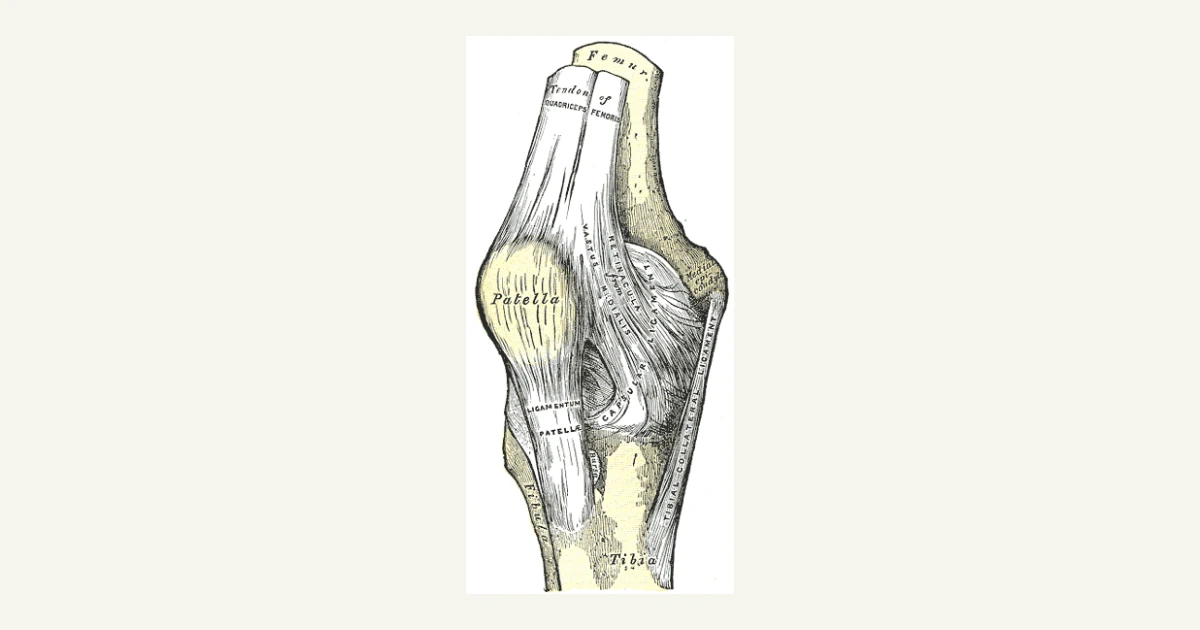
The knee joint is the largest in the body and is classified as a synovial joint, allowing for freedom of movement. Functionally, it acts as a hinge joint, enabling the leg to bend and straighten. It plays a crucial role in supporting the body’s weight and facilitating movement. It’s comprised of the following structures to allow it to fulfil its functions:
Bones
The knee consists of three bones: the femur (thigh bone), the tibia (shin bone), and the patella (kneecap). These three bones make up the knee joint, with the femur meeting the tibia and the patella situated in front of the joint.
Cartilage
The knee joint contains two types of cartilage: articular cartilage and meniscus.
Articular cartilage covers the ends of the femur, tibia, and patella, providing a smooth, gliding surface for the bones to move against. It helps distribute body weight and reduces friction during movement.
The meniscus, on the other hand, is a C-shaped cartilage that acts as a shock absorber between the femur and tibia, providing stability, cushioning, and load transmission within the knee joint.
Ligaments and Tendon
The knee joint is supported and stabilized by several ligaments and tendons. The ligaments of the knee include the following:
Anterior Cruciate Ligament (ACL): This ligament prevents the tibia from sliding out in front of the femur and provides rotational stability to the knee.
Posterior Cruciate Ligament (PCL): The PCL prevents the tibia from moving too far backwards and works with the ACL to stabilize the knee.
Medial Collateral Ligament (MCL): The MCL provides stability to the inner part of the knee and resists the widening of the knee joint.
Lateral Collateral Ligament (LCL): The LCL provides stability to the outer part of the knee and resists the widening of the knee joint.
The tendons of the knee include:
Patellar Tendon: This tendon connects the bottom of the patella (kneecap) to the top of the tibia.
Quadriceps Tendon: This tendon connects the quadriceps muscles to the patella and provides the power to straighten the knee.
Bursae
The knee joint contains several bursae, which are small sacs filled with synovial fluid that reduce friction and allow smooth movement. The five main knee bursae include the prepatellar bursa, located in front of the patella; the infrapatellar bursa, situated underneath the patella tendon; the anserine bursa on the inner lower side of the knee joint; the semimembranosus bursa, and the gastrocnemius bursa
Possible Reasons Why Your Knee Hurts When You Bend It
There are numerous potential causes of knee pain when bending, ranging from knee injuries to underlying medical conditions. By understanding the specific cause of your knee pain when bending, you can take targeted steps towards effective management and relief.
Here are some possible reasons behind your knee pain, which may have been causing some difficulty bending your knees:
Knee Injury
Pain in knee injuries can vary depending on the type and severity of the injury. Common symptoms include sharp or dull pain, swelling, stiffness, instability, and difficulty bearing weight.
Common knee injuries can range from overuse injuries like tendonitis (examples include quadriceps tendonitis and patellar tendonitis) and knee bursitis to traumatic injuries such as ligament injuries characterised by a sprained or torn ligament, meniscus tears (click here to know more about this condition and how physiotherapy can help reduce knee pain caused by this condition), and fractures.
A traumatic injury often results from sudden impact, twisting, or direct force to the knee, leading to ligament tears (e.g., ACL tear), meniscus tears, or patellar fractures. These injuries can cause severe pain, swelling, and limited mobility.
Structural Defects
One common structural defect of the knee joints that causes knee pain is the runner’s knee or patellofemoral pain syndrome. This is a condition that causes pain behind or around the kneecap and is a leading cause of chronic knee pain.
This condition is characterised by dull, aching pain in the front of the knee, particularly during activities like climbing stairs and running. The pain can also occur after sitting for prolonged periods with the knees bent. It’s commonly caused by factors such as overuse, improper sports techniques, and patellar malalignment due to issues with leg and quadriceps muscle alignment
Arthritis
Arthritis is a common disease causing pain, swelling, and stiffness in the knee joint. It can affect the largest and strongest joints in the body, including the knees, which consist of the thighbone, shinbone, and kneecap with cartilage providing cushioning between the bones.
The most common types of knee arthritis include the following:
Rheumatoid Arthritis
Rheumatoid arthritis is an autoimmune condition where the body’s immune system mistakenly attacks the synovium, the lining of the membranes that surround the joints, leading to inflammation and joint damage.
The symptoms of rheumatoid arthritis include joint pain, stiffness, and swelling, particularly in weight-bearing joints such as the knees. The pain experienced can be debilitating and may be worse in the morning or after periods of inactivity.
Knee Osteoarthritis
Knee osteoarthritis is a degenerative joint disease caused by wear and tear and articular cartilage loss. It can be primary, related to age, or secondary due to specific causes like trauma or rheumatoid arthritis. Singapore General Hospital reports that over 10% of adults in Singapore experience knee osteoarthritis, with a notable increase among individuals aged 40 to 60.
The symptoms include gradual knee pain, stiffness, and swelling, often resulting in chronic pain. The pain experienced is typically characterised by joint pain and stiffness, which can become severe enough to cause disability. The pain worsens over time, and it can significantly impact an individual’s quality of life.
Ways to Manage Knee Pain
Managing knee pain when bending involves a multifaceted approach that addresses both the symptoms and their underlying causes. Sometimes, a change in lifestyle along with the incorporation of some home remedies may do the trick in treating knee pain. However, medical procedures, from medical history taking to surgery, may be necessary when knee pain persists, and the one experiencing knee pain no longer finds the pain tolerable.
Home Remedies to Relieve Knee Pain
The first way to handle and alleviate pain when bending is to try some home remedies first, especially in mild, acute pain that doesn’t necessarily require undergoing a medical procedure. Here are some home remedies you may follow to help reduce knee discomfort and treat knee pain.
Lifestyle Modification
Engaging in gentle stretching and strengthening exercises like leg raises and other knee exercises can help improve the flexibility and stability of the knee, reducing the likelihood of discomfort during bending movements.
Incorporating low-impact activities such as swimming or cycling into your exercise routine can also provide a beneficial outlet for maintaining joint mobility and muscle strength without exacerbating the pain, and can also prevent knee pain in the long run.
Maintaining a healthy body weight through proper nutrition and regular exercise can also help support joint health. A healthy body weight helps reduce pain as it helps significantly reduce pressure and stress placed on your knees by extra weight, thereby minimizing the risk of developing or worsening knee pain when bending or doing another knee movement.
Taking Over-the-Counter Medication
Pain relief and anti-inflammatory medication are a decision for your doctor or pharmacist. These medications are suitable for modest knee pain and can be taken when the pain is mild to moderate and doesn’t require prescription medication.
RICE
The RICE method, which stands for Rest, Ice, Compression, and Elevation, is a common approach to managing knee pain. This method is often used to ease inflammation and reduce swelling in the knee. It’s particularly helpful in treating minor muscle injuries and conditions like a runner’s knee.
Medical Treatment for Knee Pain Management
When conservative measures and home remedies are not sufficient in addressing knee pain when bending, seeking medical treatment may be necessary to achieve long-term relief and improved functionality.
When Should You See a Doctor to Manage Knee Pain?
It’s essential to recognize the signs and symptoms that indicate the need for professional medical evaluation and intervention when dealing with knee pain when bending. Here are some warning signs that you should seek medical advice to treat knee pain:
If the pain persists for an extended period or intensifies despite rest, home remedies, and conservative measures;
If you experience swelling, redness, or warmth around the knee joint, which may indicate an infectious or inflammatory underlying cause;
There’s a significant limitation in your ability to bear weight on the affected knee perform daily activities; or
If the pain is accompanied by audible popping or locking sensations within the knee, it may signal the presence of structural damage.
Orthotics
Orthotics, such as shoe inserts and knee braces, are commonly utilised as part of a comprehensive approach to managing knee pain when bending. These devices are designed to provide additional support, stability, and alignment for the knee joint, reducing the strain and discomfort experienced during various movements.
What our patients say
Google reviews from our clinics in Singapore.


Physical Therapy
Physical therapy plays a crucial role in the comprehensive management of knee pain when bending, as it focuses on enhancing the strength, flexibility, and coordination of the surrounding muscles and tissues.
Through a tailored treatment plan and targeted manual techniques, a physical therapist can help you improve your knee joint’s functional capacity, improve normal movement patterns, and alleviate the strain experienced during bending activities.
These rehabilitative efforts aim to address the underlying biomechanical issues and muscular imbalances contributing to your knee pain, ultimately promoting long-term relief and improved functionality.
Physiotherapy
Physiotherapy offers a holistic and integrative approach to managing knee pain when bending, encompassing a range of manual techniques and therapeutic modalities to address your specific needs.
Physiotherapists utilise hands-on interventions such as joint mobilization, soft tissue massage, and therapeutic taping to alleviate knee pain, improve range of motion, and enhance the overall function of the knee joint. These targeted interventions aim to reduce mechanical stress on the affected tissues and promote a more optimal movement pattern during bending activities.
Phoenix Rehab has physiotherapists and hand therapists registered with the Allied Health Professions Council. With a strong emphasis on personalised care, our knee pain physiotherapy services can aid in managing knee pain and promoting overall knee health.
Surgery
In cases where conservative treatments and rehabilitative efforts have been ineffective in managing knee pain when bending, surgical intervention may be considered to address structural abnormalities, repair damaged tissues, or improve the stability and function of the knee joint.
Surgical procedures such as arthroscopic meniscus repair, ligament reconstruction, or joint replacement can be performed by a board-certified orthopedic surgeon to address specific issues contributing to your knee pain and facilitate a more favorable long-term outcome.
It’s crucial to engage in thorough discussions with orthopedic specialists and healthcare providers to understand the potential benefits, risks, and expected outcomes of surgical treatment for your knee pain.
Final Words
Dealing with knee pain when bending can be a challenging and distressing experience, but it’s important to remember that effective management and relief are attainable through a comprehensive and proactive approach.
Whether you opt for conservative treatments, medical interventions, or a combination of both, the key lies in seeking professional guidance, staying committed to your rehabilitative efforts, and prioritising your knee health as an integral part of your overall well-being.
Where are you with this right now?
1. It is settling on its own
Most knee pain that started with a specific moment settles over six to twelve weeks. Swelling that comes and goes with activity, and an ache after a long day, are usual in that window. If it is improving month on month and you can walk, take stairs and sleep, it is behaving normally. You do not need us for this, and we would rather say so.
2. It has stopped improving
You go down stairs one leg at a time. You have stopped squatting to pick things up. You test it before you trust it.
Pain settling is the first thing that happens, not the last. Quadriceps strength is the last thing to come back, and it does not come back on its own. That is the gap worth measuring, and it is not measured by how you feel on the day.
The Stalled Recovery Review is three appointments over three weeks with the same therapist, because what a joint does under load cannot be read in one visit. The first finds what is limiting it. The next two measure how it responds. $690, nett, no GST, which is three appointments at $230.
3. You have had surgery, or you have a date
Recovery after an operation has a shape, and knowing which stage you are in tells you whether you are on it. See the ACL Reconstruction Recovery Program, or knee physiotherapy if you are not sure which applies to you.
All of it runs on the same four stages. The Phoenix Recovery Protocol explains what each stage works on and what you have to meet to move up. No referral needed to start.
Next step
Find out which stage you are in
Pain is the first thing to leave. Movement and strength are the last things trained back, and most people stop before that part is done. One Assessment and Treatment is a single 45-minute appointment at $230, nett, no GST. Your therapist finds what is actually limiting you, treats it in the same appointment, and you leave with your current stage and a written plan.
Prefer to phone? Each of our five clinics has its own number on the clinics page. No referral needed to book.
Related reading
- physiotherapy after surgery
- knee physiotherapy
- Could You Have Knee Patellofemoral Syndrome? How to Find Out
- Your Guide to Cycling Knee Injury Treatment and Prevention
- The Phoenix Recovery Protocol, and the four stages
- All recovery programs, hand and physio
- Unraveling the Causes and Remedies for Back of Knee Pain
Where we are
Clinics across Singapore
ORCHARD
400 Orchard Road #12-12
Orchard Towers, S238875
NS22 Orchard MRT
Physiotherapy and hand therapy in Orchard →
WhatsApp 8800 1830TAMPINES
9 Tampines Grande #01-20
Asia Green, S528735
EW2DT32 Tampines MRT
Physiotherapy and hand therapy in Tampines →
WhatsApp 8780 9608SERANGOON
265 Serangoon Central Drive #04-269
S550265 · Lift C only
NE12CC13 Serangoon MRT
Physiotherapy and hand therapy in Serangoon →
WhatsApp 8892 4121TANJONG PAGAR
10 Anson Road #02-77A
International Plaza, S079903
EW15 Tanjong Pagar MRT
Physiotherapy and hand therapy in Tanjong Pagar →
WhatsApp 8227 7074JURONG EAST
2 Venture Drive #02-02
Vision Exchange, S608526
NS1EW24 Jurong East MRT
Opening 25 October 2026
Physiotherapy and hand therapy in Jurong East →
WhatsApp 8242 7340