
Physiotherapy after surgery · Singapore
Shoulder Replacement Recovery Program
Written by Zita Sham, Fairuuz Saleh and Shiv Mohan Banka, Principal Physiotherapists at Phoenix Rehab.Clinically reviewed by Louise Yow, Principal Physiotherapist & Director, AHPC A1300363H.Last reviewed 3 October 2026.
Which operation you had decides what you are allowed to do, and the two are almost opposites.
A shoulder replacement is either anatomic or reverse, and the rehabilitation differs substantially between them. Getting that distinction right in week one is the single most useful thing on this page. This program is run by our physiotherapy team.
No referral needed. Every first visit is one 45-minute Assessment & Treatment, $230, nett, no GST. Bring your operation note or scan report.
Where are you right now?
Four situations we see
- Surgery is booked and you do not know which type. Ask. Anatomic relies on your rotator cuff. Reverse is used when the cuff has failed and it works by changing the mechanics instead.
- You are in the sling. Elbow, wrist and hand move from day one, the shoulder moves only in the range and direction your surgeon allowed.
- The sling is off and the arm will not lift. Expected. Lifting comes back over months and the order it comes back in is predictable.
- Months on and you cannot reach the top shelf or behind your back. Worth measuring against what your operation can actually give, which is a real and specific ceiling.
What the operation can give back
A replaced shoulder has a range ceiling, and it is not the same as your other side
An anatomic replacement resurfaces the ball and socket and relies on your own rotator cuff to lift and rotate the arm. A reverse replacement swaps the ball and socket around so the deltoid can lift the arm without a working cuff. That is why the two have different precautions, different timelines and different end points.
The consequence worth knowing early is that a reverse replacement typically gives excellent pain relief and good forward reach, but rotation, particularly reaching behind the back, is often limited permanently by the design of the implant rather than by effort. Pain relief is usually the headline result of either operation. Range is the negotiated one.
Both are also implants with a service life, and that is the reason the restrictions your surgeon gives about lifting weight overhead are not arbitrary caution. Those come from your surgeon and they are the ones that matter, not anything on this page.
Usually expected, and what is not
Is this normal after a shoulder replacement?
Shoulders are slow and the first two months feel like nothing is happening.
Usually expected
- A shoulder that is sore at night for several weeks, often the last symptom to settle.
- Bruising tracking down the arm and into the chest wall.
- Clicking or a mechanical sensation with movement.
- A gap of weeks between being allowed to move and being able to.
Contact your surgeon or doctor
- A sudden loss of the movement you had, or a pop followed by inability to move the arm.
- Wound discharge, spreading redness or fever.
- New numbness or weakness in the hand.
- Severe escalating pain that is different from what you have had.
If you have sudden severe pain with a hand or arm that is cold, white or losing sensation, or you are unwell with fever and a hot swollen wound, that is an emergency department today, not a therapy appointment.
If it is not going to plan
Four months on and the arm still stops at shoulder height
This is the point where people are told it is as good as it gets, sometimes correctly and sometimes not. The difference is whether the block is stiffness, weakness, or the implant.
Passive range against active range separates the first two. If someone else can lift your arm higher than you can, that is strength and it is trainable. If nobody can, that is range and it is worked differently. Either way it is a measurement rather than an opinion, and it is worth having before you accept a ceiling.
The Stalled Recovery Review is three appointments over three weeks with the same therapist, because what tissue does under graded work cannot be read in one visit. $690, nett, no GST.
The shape of it
What happens, week by week
After a shoulder replacement the sling usually stays on for about four to six weeks. Anatomic and reverse replacements follow different precautions, so the weeks below are a common shape only. Your surgeon’s precautions take precedence.
- Weeks 0 to 6Stage 1 · Calm & ProtectSling and precautions as your surgeon set them, hand, wrist and elbow moving, and passive or assisted movement only in the permitted directions.
- Weeks 6 to 12Stage 2 · Move & MobilizeOut of the sling. Assisted, then active range, and shoulder blade control.
- Weeks 12 to 16Stage 3 · Rebuild & StrengthenStrengthening for your implant type, within the weight limits your surgeon set.
- Months 4 to 6Stage 4 · Return & PerformThe reaches and tasks you actually need, built up and tested.
The weeks are typical ranges, not a promise. You move up a stage when you meet its criteria, and your surgeon’s protocol takes precedence over anything on this page.
The program
The four stages, and what moves you up
- Stage 1, Calm & Protect. Sling and precautions exactly as your surgeon set them, hand and elbow moving, pain and sleep managed, and passive movement only in the permitted directions.
Move up when: your surgeon allows the sling to come off and active movement to start. - Stage 2, Move & Mobilize. Active assisted then active range within precautions, and scapular control. Criteria to move up are degrees of range, recorded, and a shoulder blade that moves properly.
Move up when: active range is recorded in degrees and improving at each review, and the shoulder blade moves without hitching. - Stage 3, Rebuild & Strengthen. Loading appropriate to your implant type. Cuff work for anatomic, deltoid work for reverse, within the weight limits your surgeon set.
Move up when: strength is measured and rising within the limits for your implant, and pain has settled by the next morning. - Stage 4, Return & Perform. The reaches you actually need. A seatbelt, a shelf, a hair wash, a golf swing if your surgeon has cleared it.
Graduate when: the reaches you need, such as a shelf, a seatbelt or washing your hair, are tested, and range and strength are recorded against where they started.
Measured at your first appointment and again at graduation: a shoulder and arm function questionnaire, and how far the arm lifts and turns out, in degrees, on both sides.
Logistics
When can I…
Your surgeon decides, based on healing and what your job demands. These are typical points, not permissions.
| Activity | Typical point | What has to be true first |
|---|---|---|
| Desk work, one hand | 2 to 4 weeks | Sling on as directed, and pain controlled. |
| Driving | 6 to 8 weeks | Out of the sling, and full control of the wheel. Your surgeon agrees, and check your insurer. |
| Swimming | 3 to 4 months | The wound fully healed, and your surgeon agrees. |
| Golf | 4 to 6 months | Stage 4 criteria met, and your surgeon’s clearance. |
| Heavy lifting | As your surgeon advises | Some shoulder replacements come with lasting limits on heavy load. Ask yours which applies to you. |
| Medical certificate | Your doctor issues it | Physiotherapists do not issue MCs. We can write a report on your functional limits for your doctor or employer. |
Who you will see
The physiotherapy team that runs this program
This program is run by the physiotherapy team. You are matched to the therapist whose declared clinical interest fits what happened to you and the clinic that suits you, and you stay with the same therapist through the program. Every appointment is one to one with your therapist for the full 45 minutes. All are registered with the Allied Health Professions Council.

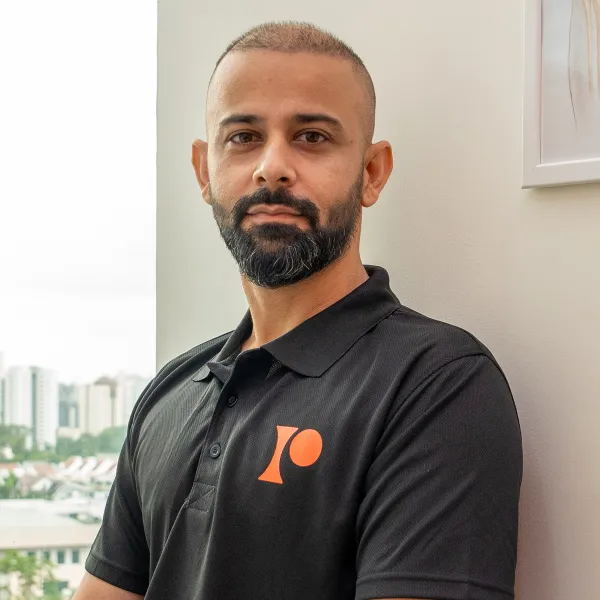
Principal Physiotherapist. Shoulder and knee problems, spinal dysfunction, sports injury.
Orchard, Tampines
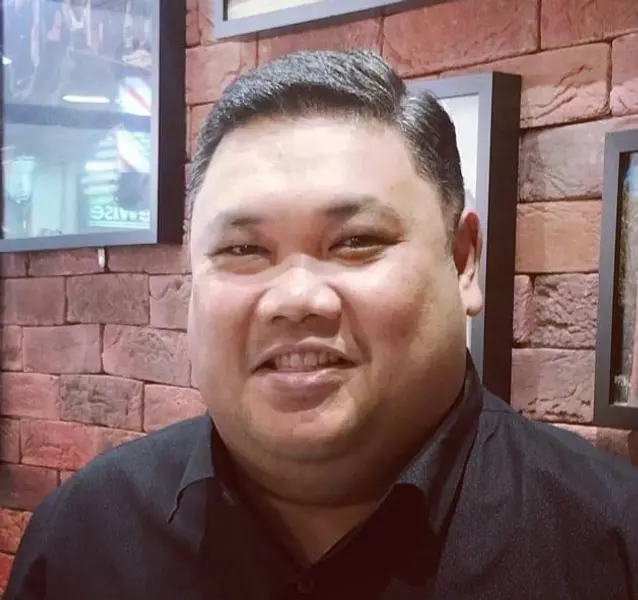
Principal Physiotherapist. ACL reconstruction and return to sport, hip and knee rehabilitation.
What our patients say
Google reviews from our clinics in Singapore.



Tampines

Principal Physiotherapist. Achilles tendinopathy, rotator cuff injury and repair, shoulder stiffness.
Orchard, Tampines, Jurong East
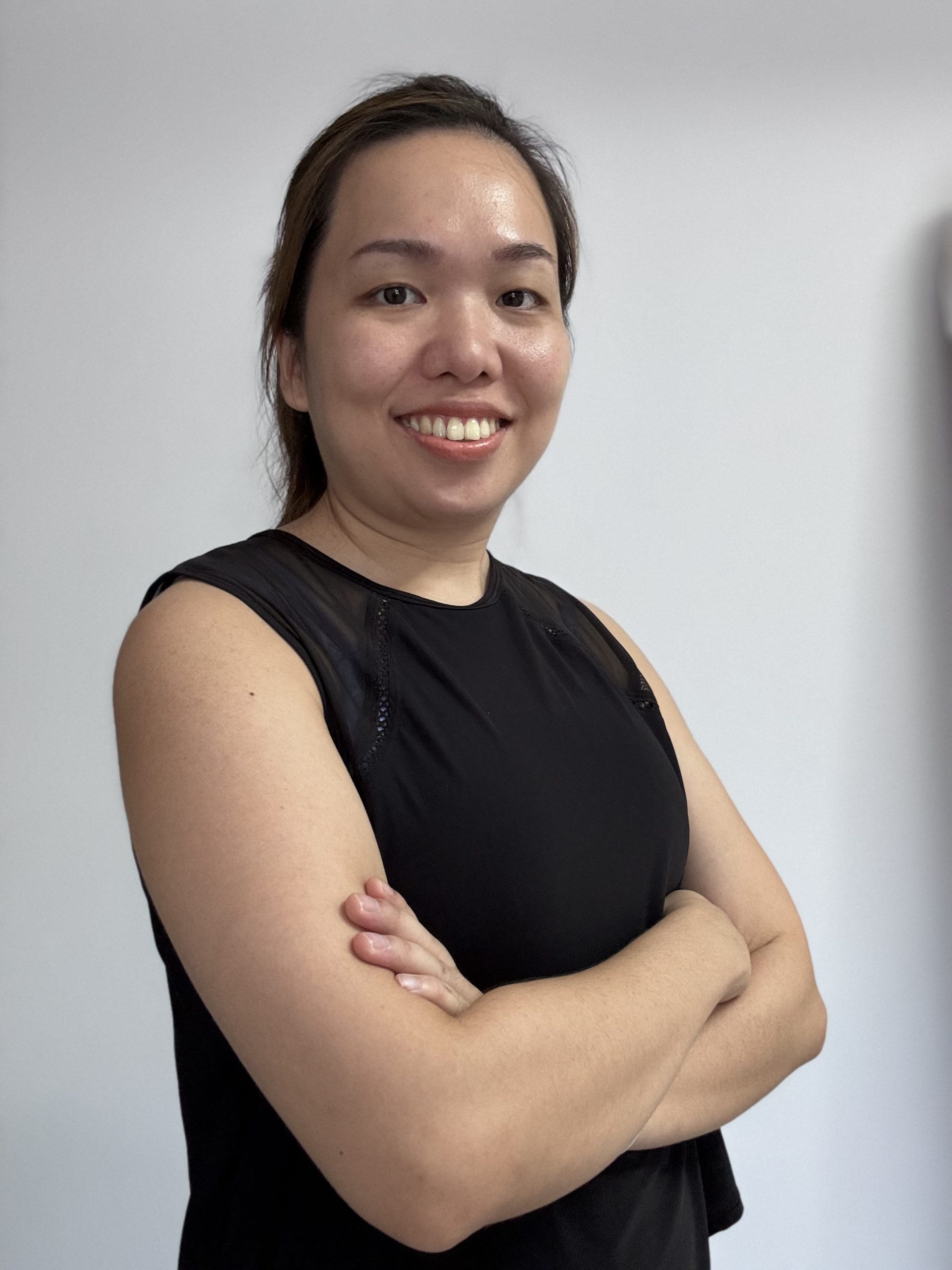
Principal Physiotherapist. Knee and hip replacement recovery, neck and shoulder pain, dry needling.
Tanjong Pagar, Jurong East
The program belongs to Phoenix, not to one therapist. Your plan, your measurements and your surgeon’s protocol move with you if you change clinic.
What it costs
$230 per 45 minute appointment
One to one with your therapist for the whole 45 minutes. Nett, no GST. Same price for your first appointment and your last. Shoulder replacement programs run across months, and the appointments are spaced because range returns on the tissue timeline. The Shoulder Replacement Recovery Program is 12 appointments, $2,760 in all. You pay for each appointment as you attend it. If you need more, your therapist shows you which stage criteria are still open, and each extra appointment is $230.
This program runs Stages 1 to 4 of the Phoenix Recovery Protocol, and sits under physiotherapy after surgery alongside the rest of our recovery programs.
Prefer to phone? Each of our five clinics has its own number on the clinics page. No referral needed to book.
Timeframes on this page are typical ranges, not promises. Where your surgeon has given you a protocol, that protocol takes precedence over anything written here.
Where we are
Clinics across Singapore
ORCHARD
400 Orchard Road #12-12
Orchard Towers, S238875
NS22 Orchard MRT
Physiotherapy and hand therapy in Orchard →
WhatsApp 8800 1830TAMPINES
9 Tampines Grande #01-20
Asia Green, S528735
EW2DT32 Tampines MRT
Physiotherapy and hand therapy in Tampines →
WhatsApp 8780 9608SERANGOON
265 Serangoon Central Drive #04-269
S550265 · Lift C only
NE12CC13 Serangoon MRT
Physiotherapy and hand therapy in Serangoon →
WhatsApp 8892 4121TANJONG PAGAR
10 Anson Road #02-77A
International Plaza, S079903
EW15 Tanjong Pagar MRT
Physiotherapy and hand therapy in Tanjong Pagar →
WhatsApp 8227 7074JURONG EAST
2 Venture Drive #02-02
Vision Exchange, S608526
NS1EW24 Jurong East MRT
Opening 25 October 2026
Physiotherapy and hand therapy in Jurong East →
WhatsApp 8242 7340