
Written by Zita Sham, Fairuuz Saleh and Shiv Mohan Banka, Principal Physiotherapists at Phoenix Rehab.Clinically reviewed by Louise Yow, Principal Physiotherapist & Director, AHPC A1300363H.Last reviewed 28 September 2026.
Back pain is a common health issue in Singapore, affecting people of all ages and walks of life.
If you’re one of the millions of people who suffer from back pain, you’re probably looking for relief. While there are various medical treatments available, many individuals prefer to try natural home remedies for back pain.
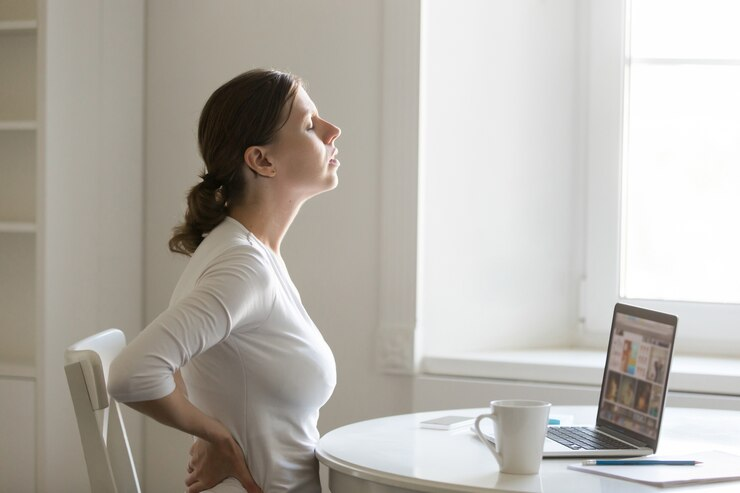
From office workers to retirees, the discomfort of back pain can impact daily life and productivity. Singaporean older adults over 50 years old reported chronic low back pain, affecting their physical and mental function. This prevalent condition prompts many to seek avenues of relief, often leading them to explore natural remedies within the comforts of their homes.
In this article, we will explore some effective home remedies for back pain relief that can help manage chronic lower back pain early on, discover rehabilitation techniques, and improve your quality of life.
Home Remedy for Back Pain
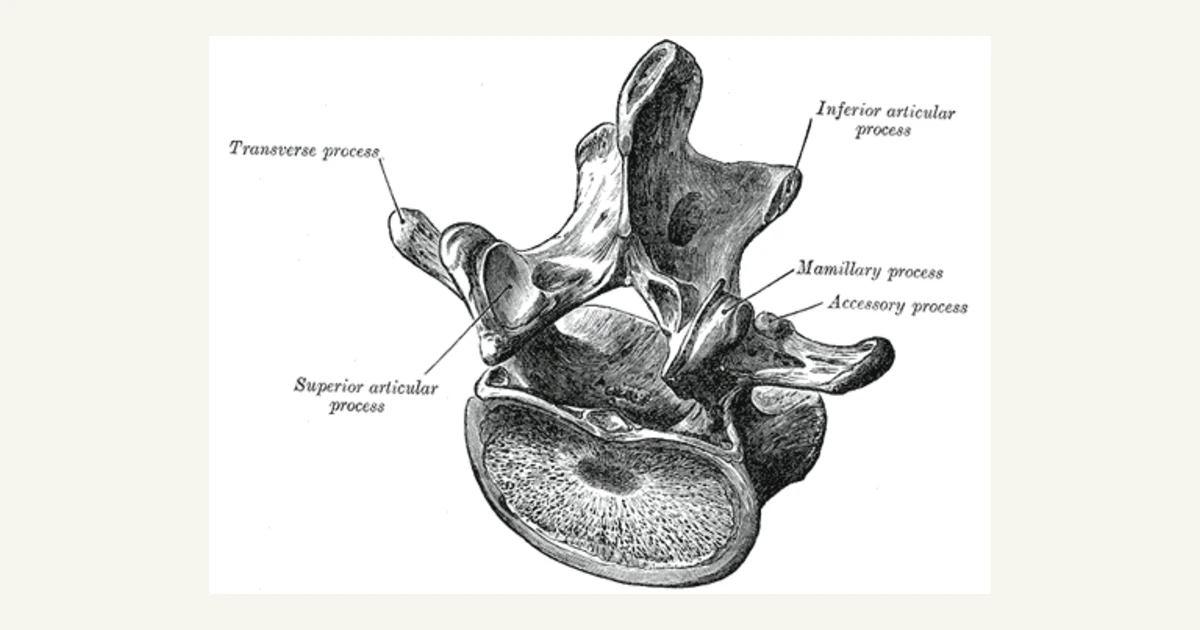
Chronic back pain is a common issue that requires a comprehensive approach to address effectively. Back pain physiotherapists recommend tailored treatment plans for individuals suffering from chronic back pain. These professionals employ various techniques to help patients manage their symptoms and improve their overall spinal health.
One of the primary goals of back pain physiotherapy in Singapore such as Phoenix Rehab is to identify and address the root cause of the pain. This often involves a thorough assessment, and based on this, physiotherapists develop personalized exercise programs aimed at strengthening weak muscles, improving flexibility, and correcting any underlying issues.
These back pain clinicians also provide post-treatment patient education for sustainable back pain relief. Here are a few home remedies that are considered safe and effective.
Improve Your Posture
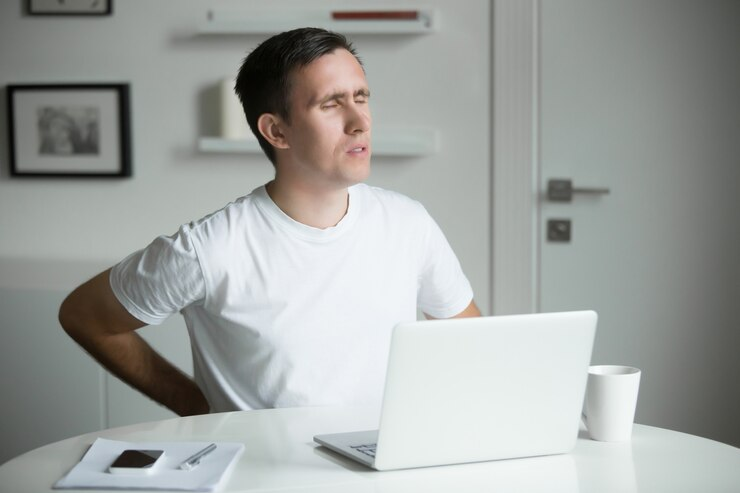
Poor posture can contribute to low back pain, especially if you spend long hours sitting or standing. To improve your posture, start by standing tall, consciously aligning your body so that your shoulders are squared and your spine maintains a straight, neutral position. This helps relieve undue pressure on your lower back and promotes better spinal alignment.
When sitting, keep your feet flat on the floor, maintaining a 90-degree angle at the knees. Avoid slouching or leaning forward excessively, as this can place additional stress on your lumbar region, making the pain worse. Consider using a standing desk or taking regular breaks to stretch and move around.
Use Foam Rollers
Foam rollers act as self-myofascial release tools, targeting trigger points and tight areas to alleviate discomfort and promote muscle relaxation. The pressure applied to the affected muscles stimulates blood circulation, which in turn reduces muscle spasms.
When using a foam roller, place it under the painful area and roll it back and forth slowly. Focus on areas prone to spasms and spend extra time rolling over these regions, paying attention to any particularly tight or tender spots.
Apply Heat
You have several options for applying heat to the affected area. A classic choice is a hot water bottle, which can be filled with warm water and placed directly on the sore muscles. Similarly, an electric heating pad offers controlled warmth and can be adjusted to your preferred temperature level.
Another soothing option is to immerse yourself in a warm bath. The heat from the water penetrates deep into the muscles, providing widespread relief and relaxation. Adding Epsom salts to your bath can further enhance the therapeutic benefits by replenishing magnesium levels and easing muscle tension.
If a bath isn’t feasible, a warm shower can also be beneficial. Allow the warm water to cascade over your back, focusing on areas of tension for several minutes to encourage muscle relaxation.
Adjust Sleep Position
It is important to recognize bed rest in the recovery process. When experiencing acute back pain, brief periods of bed rest can offer much-needed relief.
However, it’s important to strike a balance. Prolonged bed rest can actually worsen back pain by causing muscles to weaken and stiffen over time. Moreover, sleeping in the wrong position can contribute to lower back pain. Try sleeping on your side with a pillow between your knees or on your back with a pillow under your knees. This can help maintain the natural curve of your spine and provide relief from pain.
Stretch & Exercise
An effective exercise program for back pain includes gentle movements that focus on core strength, flexibility, and posture. Exercises like pelvic tilts, bridges, and cat-cow stretches can help strengthen the muscles of the abdomen, back, and hips, providing added support and preventing spine problems.
Some effective stretches for back pain include the knee-to-chest stretch, the child’s pose, and deep breaths.
Furthermore, low-impact exercises such as walking, swimming, or cycling can help improve cardiovascular health while minimizing stress on the back. These activities promote circulation, which is essential for delivering oxygen and nutrients to the muscles and tissues, aiding in recovery and reducing muscle tension.
Make Lifestyle Changes
Adopting healthy habits is inarguably a natural approach to managing back discomfort and promoting long-term spinal health.
Probably the first thing to do is to quit smoking. Smoking can decrease blood flow to the spine and cause the discs in the spine to degenerate faster.
Reducing alcohol consumption is also generally ideal for overall human health. Excessive alcohol consumption can lead to dehydration, which can cause the discs in the spine to become less flexible and more prone to injury. Reducing alcohol intake can help prevent or ease pain not only in your back but also throughout your entire body.
Use Heat and Cold Therapy
We’ve covered heat therapy, so let’s dive into how cold can help reduce inflammation and numb lower back pain. Here are some ways to use heat and cold therapy:
Apply ice packs or a bag of frozen vegetables wrapped in a towel to the affected area for 15-20 minutes at a time. It’s essential to ensure that the cold packs are not directly applied to the skin to prevent ice burns. Take a break and repeat as necessary.
Exercise to Get Muscles Moving
Exercise is essential for maintaining the strength and flexibility of the back muscles. Regular exercise can help with lower back pain, improve posture, and prevent future episodes. Here are some exercises to consider:
- Aerobic exercises: Low-impact activities like swimming, cycling, or walking are gentle on the spine while providing a full-body workout. Engaging in these regularly can help reduce stiffness, increase endurance, and decrease pain associated with sedentary lifestyles.
- Strengthening exercises: Exercises that target the back and abdominal muscles can help improve posture and pain. Consider exercises such as planks, bridges, or leg lifts. Target specific muscle groups in the back and abdomen, helping to stabilize the spine and improve posture.
- Manage Stress
Here are some ways to manage stress and back pain:
- Deep breathing: This helps calm the nervous system, reduce muscle tension, and promote relaxation. Take slow, deep breaths, focusing on filling your lungs with air and exhaling fully.
- Mindfulness meditation: Pay attention to the present moment without judgment, allowing you to cultivate a sense of inner calm and acceptance. Allocate a few minutes each day to engage in mindfulness meditation, paying attention to your breath or observing the sensations present in your body.
- Yoga: Yoga combines physical postures, breathing exercises, and meditation to improve flexibility, strength, and mental well-being. Gentle yoga poses specifically designed for back pain, such as cat-cow stretch or child’s pose, can help release tension in the back muscles and promote spinal health.
- Tai Chi: Tai Chi is a low-impact exercise that combines slow, gentle movements with deep breaths and relaxation techniques.
Get a Massage
Using a foam roller, tennis ball, or massage gun to apply pressure to the affected area can help improve blood flow and provide relief from pain through massage therapy.
Seeking professional massage therapy from a licensed therapist offers a more comprehensive approach to addressing back pain. A skilled massage therapist can tailor the treatment to target your specific areas of discomfort.
Switch Shoes
Wearing uncomfortable shoes can contribute to back pain. Make sure to wear shoes that provide adequate support and cushioning. Consider switching to shoes with a low heel and good arch support.
Make Workstation Changes
If you spend long hours sitting at a desk, making changes to your workstation can help ease back pain. Make sure to adjust your chair height, use a footrest, and take regular breaks to stretch and move around.
Get Enough Sleep
Make sure to get at least 7-8 hours of sleep each night and maintain a consistent sleep schedule. Consider using a supportive pillow and mattress to provide additional comfort and support.
Conclusion
There are various natural home remedies for back pain relief that can help chronic low back pain and improve your quality of life. These remedies are not only effective but also safe and accessible. But remember that every condition is unique, and what works for one person may not work for another. It may require some trial and error to find the combination of remedies that provides optimal relief for your specific condition. Better yet, consult a health professional or physical therapist for proper diagnosis and treatment.
What our patients say
Google reviews from our clinics in Singapore.



Where are you with this right now?
1. It is settling on its own
Most episodes of back pain settle substantially within six weeks, and staying active beats resting. Scans early on tend to find changes that are common in people with no pain at all. If it is easing week on week and you are moving more rather than less, that is the normal course. You do not need us for this, and we would rather say so.
2. It has stopped improving
You think about how you will get out of the car before you park. You brace before you sneeze. You have stopped lifting anything off the floor without planning it.
The pain leaving is not the same as the capacity coming back. If nothing was loaded again, the back returns to daily life with less than it had. That is the gap worth measuring, and it is not measured by how you feel on the day.
The Stalled Recovery Review is three appointments over three weeks with the same therapist, because what a joint does under load cannot be read in one visit. The first finds what is limiting it. The next two measure how it responds. $690, nett, no GST, which is three appointments at $230.
3. You have had surgery, or you have a date
Recovery after an operation has a shape, and knowing which stage you are in tells you whether you are on it. See the recovery programs, or lower back physiotherapy if you are not sure which applies to you.
All of it runs on the same four stages. The Phoenix Recovery Protocol explains what each stage works on and what you have to meet to move up. No referral needed to start.
Next step
Find out which stage you are in
Pain is the first thing to leave. Movement and strength are the last things trained back, and most people stop before that part is done. One Assessment and Treatment is a single 45-minute appointment at $230, nett, no GST. Your therapist finds what is actually limiting you, treats it in the same appointment, and you leave with your current stage and a written plan.
Prefer to phone? Each of our five clinics has its own number on the clinics page. No referral needed to book.
Related reading
- physiotherapy after surgery
- lower back physiotherapy
- Upper Right Side Back Pain: Causes and What to Do
- Lower Back Pain When Walking: Causes and Care Options
- Slipped Disc Sleeping Position: Tips for Resting Comfortably
- The Phoenix Recovery Protocol, and the four stages
- All recovery programs, hand and physio
Where we are
Clinics across Singapore
ORCHARD
400 Orchard Road #12-12
Orchard Towers, S238875
NS22 Orchard MRT
Physiotherapy and hand therapy in Orchard →
WhatsApp 8800 1830TAMPINES
9 Tampines Grande #01-20
Asia Green, S528735
EW2DT32 Tampines MRT
Physiotherapy and hand therapy in Tampines →
WhatsApp 8780 9608SERANGOON
265 Serangoon Central Drive #04-269
S550265 · Lift C only
NE12CC13 Serangoon MRT
Physiotherapy and hand therapy in Serangoon →
WhatsApp 8892 4121TANJONG PAGAR
10 Anson Road #02-77A
International Plaza, S079903
EW15 Tanjong Pagar MRT
Physiotherapy and hand therapy in Tanjong Pagar →
WhatsApp 8227 7074JURONG EAST
2 Venture Drive #02-02
Vision Exchange, S608526
NS1EW24 Jurong East MRT
Opening 20 October 2026
Physiotherapy and hand therapy in Jurong East →
WhatsApp 8242 7340