
Written by Zita Sham, Fairuuz Saleh and Shiv Mohan Banka, Principal Physiotherapists at Phoenix Rehab.Clinically reviewed by Louise Yow, Principal Physiotherapist & Director, AHPC A1300363H.Last reviewed 28 September 2026.
Starting the day with upper back pain can be both frustrating and uncomfortable. Stiffness, soreness, and restricted movement in the morning may indicate underlying issues with posture, sleeping habits, or musculoskeletal health.
This guide explores the potential reasons behind morning back pain and what you can do about it.
Upper Back Anatomy
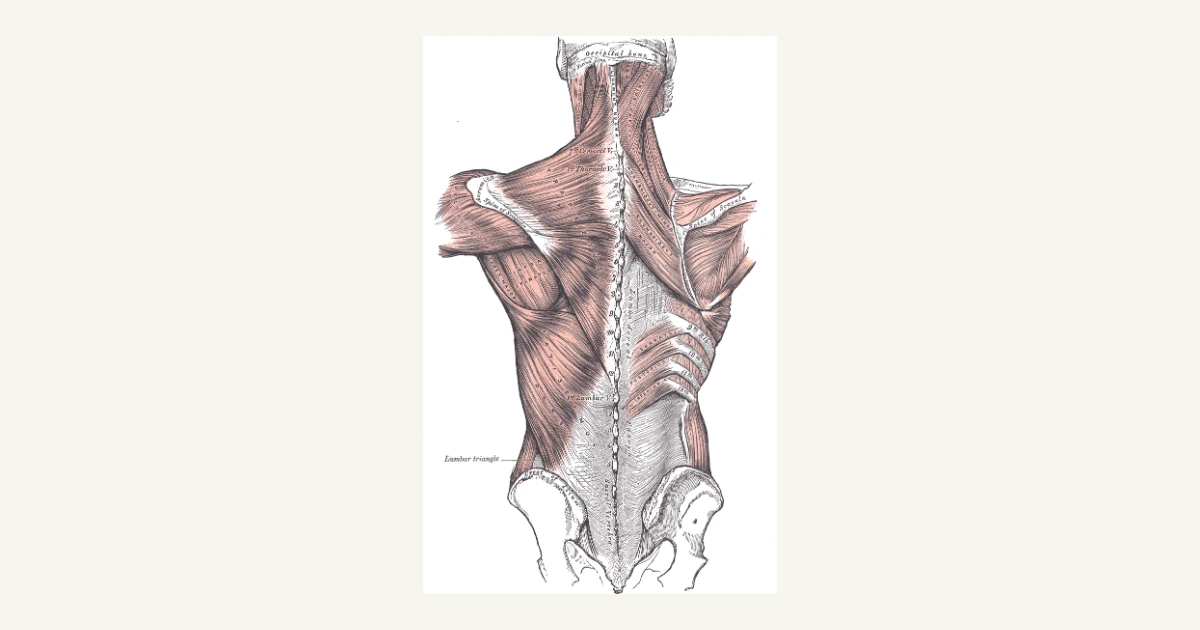
The upper back, also known as the thoracic spine, is a critical region that connects the neck to the lower spine. It consists of twelve vertebrae that support posture and movement. The upper back muscles, including the trapezius, rhomboids, and latissimus dorsi, play a role in stability and mobility. When these muscles experience strain, tension, or inflammation, they can contribute to upper back pain after waking up.
Possible Causes of Morning Back Pain
Morning back pain can stem from various factors, ranging from improper sleeping positions to more serious spinal conditions. Understanding these triggers can guide you in making necessary adjustments to your lifestyle and sleep habits.
Poor Sleeping Posture
A poor sleeping position can place uncomfortable pressure on the upper back muscles and disrupt spinal alignment. Sleeping on a bad mattress that lacks proper support may worsen pain symptoms by failing to maintain a neutral spine alignment. Poor sleeping positions, such as lying on the stomach or twisting the spine awkwardly, can also contribute to morning back pain.
Muscle Overuse
Repetitive movements, prolonged sitting, or muscle imbalances can lead to muscle overuse. When the upper back muscles are overworked, they may tighten, causing chronic back pain. Poor posture throughout the day, especially while working at a desk, may exacerbate the issue and lead to pain worse in the morning.
Traumatic Injury
Traumatic injuries, such as falls or accidents, can cause persistent upper back pain. Even minor injuries that may not seem severe at the time can lead to stiffness and discomfort after sleeping. When left untreated, these injuries may require medical intervention.
Myofascial Pain
Myofascial pain syndrome is a condition that causes widespread musculoskeletal pain. Trigger points in the upper back muscles may send pain signals to other areas, making morning pain more intense. This condition often results in muscle tightness and discomfort that persists throughout the day.
Herniated Disc
A herniated disc in the thoracic spine can contribute to upper back pain. When a disc presses against nearby pinched nerves, it can lead to intense pain, stiffness, and inflammation. Sleeping waking with increased pain may indicate that a disc issue is worsening.
Spondylitis
Inflammatory back pain, such as ankylosing spondylitis, causes stiffness and pain in the spine. This condition often leads to morning pain that improves with movement. If pain persists, appropriate treatment from a physical therapist may be necessary to manage symptoms.
Fibromyalgia
Fibromyalgia is a condition that causes widespread pain and muscle strain. People with fibromyalgia often experience chronic pain and discomfort in the upper body. Widespread musculoskeletal pain may worsen in the morning due to prolonged inactivity during sleep.
Pregnancy
Pregnant women frequently experience upper back pain due to changes in weight distribution and posture. The added pressure on the spine can lead to discomfort, particularly in the thoracic spine. Placing a pillow beneath the back or between the knees can improve sleep quality and help alleviate upper back tension.
Being Overweight
Excess weight can strain the back muscles, leading to chronic pain. Maintaining a healthy weight through exercise and proper posture can reduce inflammation and alleviate discomfort in the upper back.
Stress
Stress often results in muscle tension and tightness in the upper body. When stress-related pain symptoms accumulate, they can make sleeping posture less effective at relieving pressure, leading to increased morning back pain.
Pain Management Tips for Morning Back Pain
Dealing with upper back pain in the morning requires a combination of immediate relief strategies and long-term adjustments. By addressing both the symptoms and underlying causes, you can take proactive steps to manage upper back pain and improve your overall spinal health.
Fast Relief
For those experiencing morning back pain, immediate relief methods can help reduce discomfort and improve mobility. Applying either ice or heat to the affected area may help manage inflammation and muscle tension. Ice is useful for reducing swelling and numbing acute pain, while heat can promote blood circulation and loosen stiff muscles. Alternating between the two may provide the best results.
Supportive devices such as braces or ergonomic pillows can help maintain proper spinal alignment and prevent further strain. Temporary use of pain relief creams containing menthol or capsaicin can also ease discomfort by warming or cooling the area and reducing muscle stiffness.
Lifestyle Modifications
Making long-term changes can help prevent upper back pain from returning. Consider these key adjustments:
1. Stress Management
Chronic stress can contribute to muscle tension and pain. Relaxation techniques such as meditation, deep breathing, and gentle yoga may help reduce physical strain on the upper back.
2. Weight Management
Excess weight can increase strain on the spine, leading to discomfort and postural imbalances. Maintaining a healthy weight reduces the stress placed on the back muscles and spine, improving posture and decreasing the likelihood of chronic pain. A balanced diet combined with regular exercise can help with weight management.
3. Improve Your Sleep
Quality sleep is essential for muscle recovery and spinal alignment. Maintaining a consistent sleep schedule and creating a comfortable sleep environment can aid in reducing pain over time.
4. Improve Your Sleeping Posture
Adopting a neutral sleeping position, such as lying on the back with a supportive pillow, can help maintain spinal alignment. Stretching before bed, including gentle movements like forward bends or spinal twists, can also ease muscle stiffness.
5. Change Your Mattress
A mattress that is too soft or too firm can contribute to poor spinal alignment and pressure points. Selecting a medium-firm mattress that provides adequate support may help reduce discomfort.
6. Regular Exercise
Staying active strengthens the muscles that support the spine. Brisk walking, swimming, and specific stretches such as the cat-cow pose can help improve flexibility and alleviate tension in the upper back.
7. Regular Health Checks
Routine medical check-ups can identify underlying conditions contributing to chronic back pain. Early intervention may prevent minor issues from developing into long-term problems.
Painkillers
Over-the-counter pain relievers, such as paracetamol or ibuprofen, can help manage mild to moderate discomfort. Nonsteroidal anti-inflammatory drugs (NSAIDs) may reduce inflammation and stiffness, making movement easier. However, long-term use should be monitored by a healthcare professional to prevent potential side effects.
Cortisone Injections
For persistent or inflammatory back pain, cortisone injections may provide temporary relief. These injections help reduce swelling around irritated nerves and muscles, offering short-term pain management. However, repeated use may not be advisable, as excessive steroid use can weaken tissues over time.
Implanted Nerve Stimulation Implants
In cases of chronic pain that does not respond to other treatments, implanted nerve stimulation devices may be an option. These small devices send electrical pulses to the nerves, disrupting pain signals before they reach the brain. This method can help some individuals reduce reliance on medication and improve overall comfort.
Physical Therapy
A tailored physiotherapy at the back program can strengthen the muscles that support the upper back, improving posture and mobility. Techniques such as manual therapy, targeted exercises, and postural training may help address the root cause of pain rather than just the symptoms.
Physiotherapy
Physiotherapy focuses on movement and rehabilitation to improve mobility and relieve pain. Treatments may include guided stretches, soft tissue manipulation, and mobility exercises. Working with a physiotherapist can help develop a personalised plan to prevent recurrent upper back pain.
What our patients say
Google reviews from our clinics in Singapore.


Surgery
Surgery is considered a last resort for upper back pain, typically for cases involving nerve compression, herniated discs, or spinal instability. Procedures may include spinal fusion, decompression surgery, or disc replacement, depending on the severity of the condition. Recovery times and outcomes vary, so surgery is generally only recommended when all other treatments have been unsuccessful.
When To See a Doctor
Upper back pain can sometimes resolve on its own with rest and minor adjustments. However, if pain persists, worsens, or is accompanied by other symptoms such as numbness, weakness, or difficulty breathing, seeking medical advice is essential. Severe pain, especially if it interferes with daily activities, may indicate an underlying condition that requires professional evaluation. Back pain caused by ergonomic risks accounts for 60%, making it essential to address postural and occupational factors early.
Final Words
Addressing upper back pain involves a combination of immediate relief strategies, lifestyle changes, and professional treatments when necessary. By improving posture, maintaining spine health, and incorporating regular movement into daily life, long-term relief can be achieved. Seeking medical guidance when needed ensures that any underlying conditions are properly managed.
For those seeking focused treatment and experienced care, Phoenix Rehab offers personalised rehabilitation programs to address back pain effectively. Their team of professionals provides evidence-based therapies to target the root causes of discomfort and improve movement.
A stiff neck and an ache at the top corner of the shoulder blade after sleeping is usually levator scapulae pain, and the stretch is on that page.
Where are you with this right now?
1. It is settling on its own
Most episodes of back pain settle substantially within six weeks, and staying active beats resting. Scans early on tend to find changes that are common in people with no pain at all. If it is easing week on week and you are moving more rather than less, that is the normal course. You do not need us for this, and we would rather say so.
2. It has stopped improving
You think about how you will get out of the car before you park. You brace before you sneeze. You have stopped lifting anything off the floor without planning it.
The pain leaving is not the same as the capacity coming back. If nothing was loaded again, the back returns to daily life with less than it had. That is the gap worth measuring, and it is not measured by how you feel on the day.
The Stalled Recovery Review is three appointments over three weeks with the same therapist, because what a joint does under load cannot be read in one visit. The first finds what is limiting it. The next two measure how it responds. $690, nett, no GST, which is three appointments at $230.
3. You have had surgery, or you have a date
Recovery after an operation has a shape, and knowing which stage you are in tells you whether you are on it. See the recovery programs, or lower back physiotherapy if you are not sure which applies to you.
All of it runs on the same four stages. The Phoenix Recovery Protocol explains what each stage works on and what you have to meet to move up. No referral needed to start.
Next step
Find out which stage you are in
Pain is the first thing to leave. Movement and strength are the last things trained back, and most people stop before that part is done. One Assessment and Treatment is a single 45-minute appointment at $230, nett, no GST. Your therapist finds what is actually limiting you, treats it in the same appointment, and you leave with your current stage and a written plan.
Prefer to phone? Each of our five clinics has its own number on the clinics page. No referral needed to book.
Related reading
- physiotherapy after surgery
- lower back physiotherapy
- Easing Lower Back Discomfort After Sleep
- What is Causing Your Back & Neck Pain
- Effective Treatments for Slipped Disc: A Comprehensive Guide
- The Phoenix Recovery Protocol, and the four stages
- All recovery programs, hand and physio
- Decoding Upper Right Side Back Pain: Causes and Solutions
Where we are
Clinics across Singapore
ORCHARD
400 Orchard Road #12-12
Orchard Towers, S238875
NS22 Orchard MRT
Physiotherapy and hand therapy in Orchard →
WhatsApp 8800 1830TAMPINES
9 Tampines Grande #01-20
Asia Green, S528735
EW2DT32 Tampines MRT
Physiotherapy and hand therapy in Tampines →
WhatsApp 8780 9608SERANGOON
265 Serangoon Central Drive #04-269
S550265 · Lift C only
NE12CC13 Serangoon MRT
Physiotherapy and hand therapy in Serangoon →
WhatsApp 8892 4121TANJONG PAGAR
10 Anson Road #02-77A
International Plaza, S079903
EW15 Tanjong Pagar MRT
Physiotherapy and hand therapy in Tanjong Pagar →
WhatsApp 8227 7074JURONG EAST
2 Venture Drive #02-02
Vision Exchange, S608526
NS1EW24 Jurong East MRT
Opening 25 October 2026
Physiotherapy and hand therapy in Jurong East →
WhatsApp 8242 7340