
Written by Estelle Goh, Craniosacral Therapy Practitioner at Phoenix Rehab.Clinically reviewed by Louise Yow, Principal Physiotherapist & Director, AHPC A1300363H.Last reviewed 17 November 2026.
TMJ disorder is pain, clicking or stiffness in the jaw joint in front of your ear and in the chewing muscles around it. Many cases settle within weeks with simple care: soft food, resting the jaw, and noticing when you clench. If yours has not, a dentist checks your teeth and bite, and gentle hands-on work on the jaw, face and neck is one option alongside that.
Key takeaways
- TMJ disorder is pain, clicking or stiffness in the jaw joint in front of the ear and in the chewing muscles around it.
- Many cases settle within weeks with soft food, jaw rest and noticing daytime clenching.
- A dentist checks your teeth, your bite and any grinding damage. A jaw stuck open, a jaw injury, or jaw pain with chest pain needs a doctor or the emergency department.
- Research on hands-on work for the jaw shows small to moderate improvements in pain and opening, at low or very low certainty.
- At Phoenix, Estelle Goh offers hands-on work for the jaw, face, head and neck at Orchard and Serangoon, with no injections and no needles. With your permission, it can include gloved work inside the mouth.
The guard protects your teeth at night. Your jaw is still clenched at your desk.
You wake up with a tired jaw. The dentist made you a night guard months ago, and you wear it. Your jaw still clicks when you yawn, chewing a crusty roll makes the side of your face ache, and by four in the afternoon you notice your teeth pressed together over the keyboard.
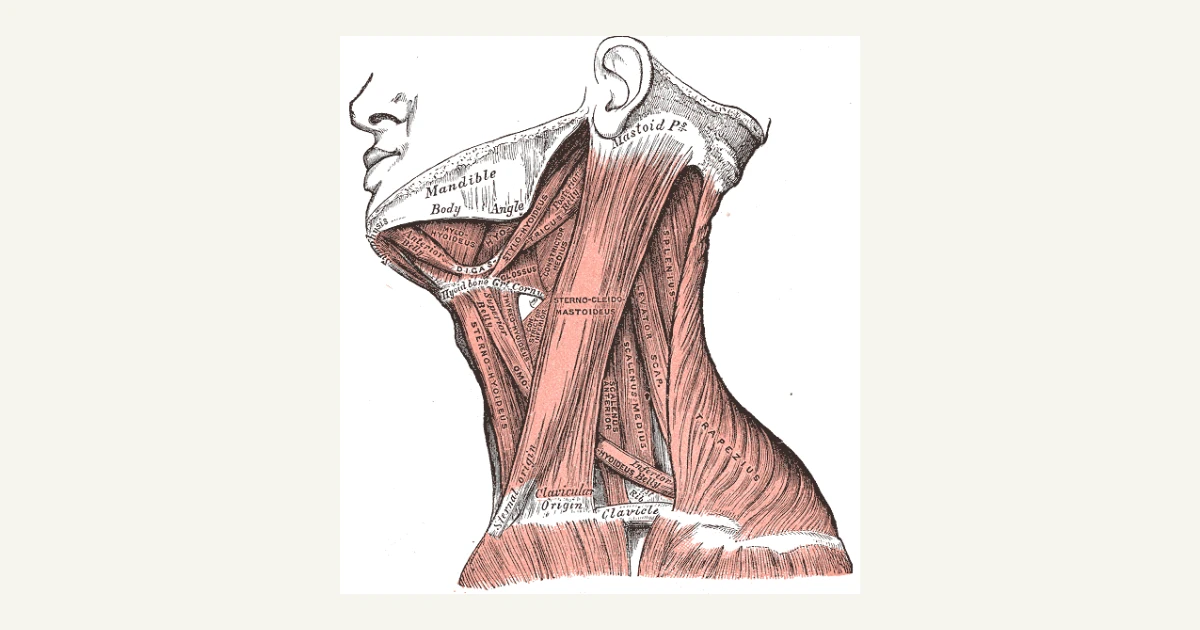
The guard does its job: it takes the grinding at night so your teeth do not. It is not there in the day, while you work, drive or scroll your phone, and that is often when the clenching happens. The muscles that do it sit at the side of your face, at your temples and under your jaw, and they connect with the muscles at the base of your skull and in your neck.
That is the part I work on. I am Estelle, and I see people with jaws like this at our Orchard and Serangoon clinics. I do not diagnose. If anything you tell me needs a dentist, a doctor or a physiotherapist first, I tell you before we begin.
What is TMJ disorder, and how does it feel?
The temporomandibular joint, or TMJ, is the hinge in front of each ear that lets your jaw open, close and slide from side to side. TMJ disorder, often shortened to TMD or simply “TMJ”, is the name for pain or problems in that joint and the chewing muscles that move it. It is common, and most of it is muscle, not damage to the joint.
What people notice:
- An ache in front of the ear or along the side of the face, worse after chewing or talking
- A click or pop when you open wide or yawn
- A jaw that feels tired, tight or stuck first thing in the morning
- Headaches at the temples
- Opening less wide than you used to
- A feeling of fullness or ringing in the ear on that side
What usually drives it:
- Clenching or grinding, at night, in the day, or both
- Long hours with the head pushed forward at a screen
- Stress that sits in the jaw
- A blow to the face, a jaw fracture, or jaw or dental surgery
- Arthritis in the joint, or a disc in the joint that has moved and clicks
Is it your teeth, your jaw muscles or your neck?
Who to see first depends on what is driving it. This is how we sort it.
| What you notice | Who to see first |
|---|---|
| A tooth hurts when you bite, your bite has changed, or your teeth are chipped or worn flat | Your dentist |
| Teeth checked, but the jaw muscles stay tight and sore, and you clench in the day | Estelle, for gentle hands-on work on the jaw, face and neck |
| It started after a blow to the face, a jaw fracture or jaw surgery | Your surgeon or dentist, who decides when hands-on work on the jaw is safe |
| Jaw pain together with a stiff, painful neck | Estelle works on the jaw and the neck together |
| Any sign in the list below | A doctor, a dentist or the emergency department |
If your neck is part of it, our page on jaw and neck pain together explains how one drives the other.
What our patients say
Google reviews from our clinics in Singapore.


Which jaw signs need a doctor or a dentist first?
- Call 995: jaw pain with chest pain or pressure, shortness of breath, sweating, or pain spreading into the arm.
- Emergency department now: a jaw stuck open that will not close; teeth that no longer meet properly after a blow to the face; swelling of the face or neck with trouble swallowing or breathing; a sudden change in your vision.
- Doctor or dentist the same day: swelling of the face or jaw with a fever; if you are over 50, new jaw pain when you chew together with a new headache or a tender scalp.
- Dentist or doctor soon: a jaw that has locked so you can only open one or two fingers wide; numbness of the lip or chin; a tooth that hurts to bite on.
What happens in a TMJ appointment with Estelle
We start by talking: when it started, when it is worse, whether you grind at night or catch yourself clenching in the day, and what your dentist has already told you. Then you show me the movements that hurt. I watch how your jaw opens and closes, how far, and whether it moves straight or swings to one side, and I look at your face side to side: the ears, cheeks, eyes, throat and neck.
Then you lie on the treatment table, fully clothed. I work with my hands on the chewing muscles at the side of your face and at your temples, along the jaw, around the ears, at the base of your skull and down through the neck, shoulders and arms. With your permission, and wearing gloves, I also work gently inside the mouth, on the chewing muscles you cannot reach from outside. I tell you before I do. Where a muscle is held tight, I stay with it and wait for it to soften, at a pressure you are comfortable with. Nothing is cracked or forced. There are no injections and no needles.
Before you leave, I tell you what I noticed. An appointment is 45 minutes. Some people come once. Some come back every few weeks. You decide.
What I hear most often from people who clench: they have noticed their face looks uneven, or they get headaches. When I ask, some tell me they have had sinus trouble for years, or several teeth crowned.
I trained in craniosacral therapy, including its temporomandibular and craniomandibular techniques, and in myofascial therapy. You can read more about how craniosacral therapy works and about my training.
Does hands-on work help TMJ? What the research says
Honestly: some, and the evidence is not strong. A review of 48 studies found that manual therapy, on its own or with exercise for the jaw and neck, gave small to moderate improvements in TMJ pain, but rated the overall evidence as low (Armijo-Olivo et al. 2016). A later review of six trials, 293 people in all, found that hands-on work on the jaw and skull improved pain and mouth opening over the medium term, at very low certainty (Asquini et al. 2022).
There is very little research on craniosacral therapy for the jaw in particular. So I offer it as gentle, hands-on work that many people with a clenched jaw find helpful to try, alongside what your dentist advises, not instead of it.
Keep your night guard, and ask your dentist about it
If your dentist made you a guard, keep wearing it as they advised. It protects your teeth from grinding. Whether you still need it, and for how long, is your dentist’s decision, not mine.
Where are you with this right now?
1. It is settling on its own
Many jaws settle within weeks. Eat soft food for a while, cut food small, avoid gum and very wide yawns, and use the rest position: lips together, teeth apart, tongue on the roof of your mouth. If chewing is easier this week than last, and the mornings are less stiff, it is doing what it should. You do not need us for this, and we would rather say so.
2. It has stopped improving
I’ll tell you what I’d tell my own family and friends: waiting, and delaying treatment, has a cost.
The guard is in its case on the bedside table. You still wake with a tired jaw, it clicks when you yawn, and by the afternoon your teeth are pressed together over the keyboard again.
So count the weeks. Every week you put off treating it, the jaw may get worse, not just stay the same. The chewing muscles at the side of your face and at your temples keep working through the day and the night, so they may stay tight longer, ache sooner in the evening, bring the headaches at your temples more often, and let your mouth open less far than it used to. If you were my family, I wouldn’t wait for that. I’d get it treated straight away.
Signs it is moving the wrong way:
- You can fit fewer than three fingers between your front teeth
- The click has become a catch, or the jaw sticks for a moment before it opens
- Headaches at your temples come more days than not
- One side aches by the end of every meal
A jaw that locks so you can only open one or two fingers wide, or numbness of the lip or chin, needs a dentist or a doctor soon. The urgent signs are in the list above.
One appointment with me: I check how your jaw opens and where it holds, and most of the time goes into hands-on work on the jaw, face, head and neck.
Months with a guard and the jaw still clenches by afternoon? Book a TMJ appointment with Estelle.
Book Estelle at Orchard (Fridays) Book Estelle at Serangoon (Fri evening, Sat)
Pick a time in Estelle’s own calendar. Or WhatsApp us and we will find you a time.
3. You have had jaw surgery, or a jaw injury
If your jaw problem started with a blow to the face, a jaw fracture or jaw surgery, your surgeon or dentist decides what is safe for the jaw and when. Ask them before you book hands-on work. Once they are happy for it to start, you can book with me, and bring their notes so I can see what was done.
Questions people ask about TMJ
Does TMJ therapy work?
For many people, simple care is enough: soft food, resting the jaw and noticing when you clench. For hands-on work, the research shows small to moderate improvements in pain and mouth opening, but at low or very low certainty, and there is very little research on craniosacral therapy for the jaw specifically. It is a reasonable option to try, not a guaranteed fix.
What is the 3 finger test for TMJ?
Stack the index, middle and ring fingers of one hand on top of each other and try to fit them between your upper and lower front teeth. Most adults fit about three. If you can only fit one or two, your mouth opens less than it should, and it is worth having it checked by a dentist or a doctor.
Can TMJ cause dizziness?
Jaw problems can come with ear symptoms such as fullness or ringing. Dizziness has many causes, some of them serious, so new or ongoing dizziness needs a doctor first, not a jaw appointment.
Will TMJ go away on its own?
Often, yes. Many episodes of jaw pain settle within weeks with soft food, jaw rest and less clenching. If yours has gone on for more than a few weeks, keeps coming back, or the jaw catches or locks, have it checked.
Should I see a dentist or Estelle first?
See your dentist first if a tooth hurts when you bite, your bite has changed, or you grind hard enough to chip or wear your teeth. If your teeth have been checked and the muscles around the jaw are still tight and sore, you can book with Estelle. No referral is needed.
Does craniosacral therapy help teeth grinding?
There is very little research on craniosacral therapy for grinding, and we will not tell you it stops it. Estelle works on the jaw, face, head and neck muscles that do the clenching, including, with your permission, gloved work inside the mouth. Keep wearing your night guard unless your dentist tells you otherwise.
Is TMJ treatment at Phoenix painful? Are there injections?
No injections and no needles. Estelle works with her hands on the jaw, face, head and neck, and you stay fully clothed. With your permission, and wearing gloves, she also works gently inside the mouth, and she tells you before she does. She works at a pressure you are comfortable with.
How much does TMJ treatment cost at Phoenix Rehab?
A TMJ appointment with Estelle Goh is $160 for 45 minutes, at our Orchard clinic on Fridays and our Serangoon clinic on Friday evenings and Saturday afternoons. If your jaw problem started with an injury or jaw surgery, ask your surgeon or dentist first whether hands-on work on the jaw is safe yet.
If you were my family, I wouldn't wait. Here's why.
Jaw pain that clicks, locks or limits how wide you open, and has lasted more than a few weeks, needs assessing.
I wouldn't want you guessing. I'd want it measured now and the work started.
Next step
A TMJ appointment with Estelle
We talk through what your jaw is doing, I check how it opens, and most of the time goes into hands-on work on the jaw, face, head and neck, with gloved work inside the mouth if you agree. Fully clothed, no injections, no needles. You leave knowing what I noticed. $160 for 45 minutes: Orchard on Fridays, Serangoon on Friday evenings and Saturday afternoons.
A jaw that clicks, aches by evening or clenches at your desk? Book a TMJ appointment with Estelle.
Book Estelle at Orchard (Fridays) Book Estelle at Serangoon (Fri evening, Sat)
Pick a time in Estelle’s own calendar. Or WhatsApp us and we will find you a time.
No referral needed. If your dentist or doctor has written anything about your jaw, bring it.
Related reading
Where we are
Clinics across Singapore
ORCHARD
400 Orchard Road #12-12
Orchard Towers, S238875
NS22 Orchard MRT
Physiotherapy and hand therapy in Orchard →
WhatsApp 8800 1830TAMPINES
9 Tampines Grande #01-20
Asia Green, S528735
EW2DT32 Tampines MRT
Physiotherapy and hand therapy in Tampines →
WhatsApp 8780 9608SERANGOON
265 Serangoon Central Drive #04-269
S550265 · Lift C only
NE12CC13 Serangoon MRT
Physiotherapy and hand therapy in Serangoon →
WhatsApp 8892 4121TANJONG PAGAR
10 Anson Road #02-77A
International Plaza, S079903
EW15 Tanjong Pagar MRT
Physiotherapy and hand therapy in Tanjong Pagar →
WhatsApp 8227 7074JURONG EAST
2 Venture Drive #02-02
Vision Exchange, S608526
NS1EW24 Jurong East MRT
Physiotherapy and hand therapy in Jurong East →
WhatsApp 8242 7340