
Written by Zita Sham, Fairuuz Saleh and Shiv Mohan Banka, Principal Physiotherapists at Phoenix Rehab.Clinically reviewed by Louise Yow, Principal Physiotherapist and Director, AHPC A1300363H.Last reviewed 28 September 2026.
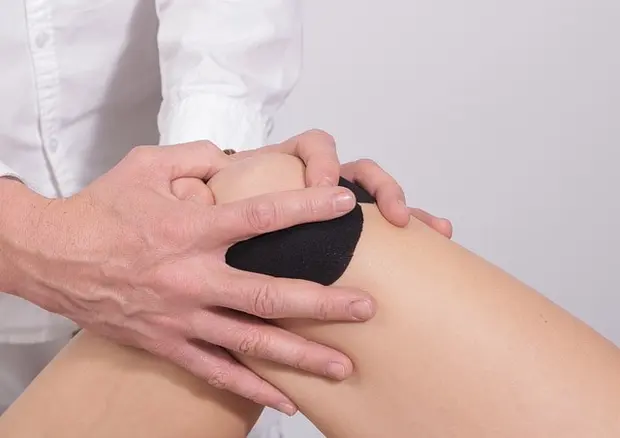
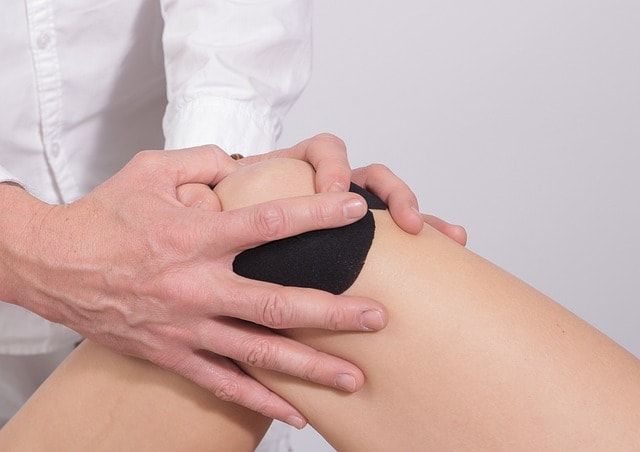
The medial collateral ligament (MCL) is a thick band of tissue on the inner side of your knee that helps stabilize the joint. It is one of the major ligaments connecting the thigh bone (femur) and the shin bone (tibia). When you sprain or injure this part of the knee, it can cause knee pain, swelling, tenderness, and instability. In this article, we will discuss the causes, symptoms, severity, and diagnosis of an MCL injury. This is crucial in determining the appropriate treatment and rehabilitation.
What Is a Medial Collateral Ligament Injury?
An MCL injury is a common knee ligament injury that occurs when you stretch or tear this vital part of your knee joint. This can happen due to a variety of causes, including a direct blow to the outer side of the knee, a twisting motion, or overextending the knee.
There are types of knee injuries according to their severity and nature of damage. A common injury is an MCL sprain. This happens when the ligament is stretched out and sustains a partial tear. On the other hand, a torn MCL involves a complete tear or rupture. The severity of the injury will determine the treatment plan.
What Causes an MCL Injury?
In Singapore, high-impact sports are a common cause of MCL injuries. Sudden stops, changes in direction, and direct impacts are the main triggers. These often happen during sports or direct contact, such as football, basketball, and soccer. However, these injuries can also occur in everyday activities like tripping or falling.
Here are some common situations where patients incur an MCL injury:
- Repetitive pressure and stress to the knee, losing the elasticity of the medial collateral ligament and easily wearing it out
- Landing awkwardly after a jump
- Lifting heavy objects and squatting without proper position or posture
- Planting one foot on the ground and immediately turning or switching direction (also known as “cutting”)
Types of MCL injury
There are three grades that classify MCL injuries based on the severity of the damage.
- Grade 1 (Mild Sprain): This is the least severe type of MCL injury. The ligament is stretched but remains intact. There is typically minimal pain, swelling, and instability.
- Grade 2 (Moderate Sprain): In a grade 2 MCL injury, the ligament is partially torn. This results in moderate pain, swelling, and increased knee instability.
- Grade 3 (Severe Sprain or Complete Tear): This is the most severe type of MCL injury. The ligament is completely ruptured, causing significant pain, swelling, and severe instability in the knee.
MCL injuries can often occur in conjunction with other knee ligament injuries, such as those involving the anterior cruciate ligament (ACL) or posterior cruciate ligament (PCL).
Symptoms of MCL Injuries
Recognizing the signs early on can help in timely treatment. Common symptoms of an MCL injury include:
- Pain: Often felt on the inside of the knee, the pain can range from mild to severe depending on the severity of the sprain.
- Swelling: The knee may become noticeably swollen, especially within the first few hours after the injury.
- Tenderness: There will likely be tenderness when pressure is applied to the inside of the knee.
- Instability: The knee may feel unstable or give way, making it difficult to bear weight or engage in activities.
- Stiffness: The knee joint may become stiff, limiting its range of motion.
In some cases, you might hear a popping sound at the time of the injury
Can You Still Walk?
Yes, at least in most cases. However, a severe tear might make it difficult to walk without significant pain and instability.
Who Are Most Prone to MCL Injuries?
Athletes, particularly those involved in contact sports, are at a higher risk of MCL injuries due to the dynamic nature of these activities. However, anyone can experience this type of injury. Factors such as muscle weakness, poor flexibility, and improper technique can increase the risk.
Diagnosing MCL Injuries
To diagnose an MCL injury, your doctor will conduct a physical exam, which may include tests to assess knee stability. In cases of MCL tears, your doctor will bend and apply pressure to your knee to evaluate looseness and flexibility. Additionally, your healthcare provider may order imaging tests such as X-rays or MRI scans to rule out other injuries and determine the extent of the MCL damage.
Here’s a quick breakdown of their procedures.
Physical Exam
Your doctor will assess your knee for pain, swelling, tenderness, and instability. They will also perform specific tests to check the integrity of the MCL.
MRI (Magnetic Resonance Imaging)
This imaging test provides detailed images of the soft tissues in your knee, allowing your doctor to visualise the extent of the MCL tear and rule out other potential injuries.
X-ray
While primarily used to rule out bone fractures, X-rays can also help identify any bone abnormalities associated with the MCL injury
Ultrasound
This helps visualise the soft tissues of the knee and assess the MCL injury.
How to Treat MCL Injuries
Treatment for an MCL injury depends on the severity of the injury. Most MCL injuries recover with conservative treatments. This is because the MCL has a good blood supply, helping injuries like an MCL tear heal more quickly.
Below are non-surgical approaches to MCL injury treatment.
Pain relievers: Naproxen, ibuprofen, and other nonsteroidal anti-inflammatory drugs or NSAIDs can lessen the inflammation and pain caused by an MCL injury.
Knee brace: Wearing a knee brace provides stability and protects the injured MCL during the healing process.
Crutches: Using crutches may be necessary to reduce weight-bearing on the knee, especially in more severe cases.
How Physical Therapy Helps
Physical therapy is a key treatment in MCL recovery. It’s a conservative approach that works in tandem with other modalities to improve function and prevent re-injury.
A skilled physiotherapist for knee pain in Singapore specializes in treating bone, muscle, joint, tendon pain, and ligament injuries, such as those at Phoenix Rehab. Their professional team creates a customised treatment plan to address your specific needs.
Through a series of physical therapy exercises and techniques, they aim to strengthen the muscles surrounding the knee, improve flexibility, and improve range of motion. Ultimately, these methods help you regain your mobility and confidence, getting you back on your feet.
Physical therapy is also an effective rehabilitation approach in cases of surgery.
When Surgery Is Necessary
Only a doctor or qualified orthopedic surgeon can determine the need for surgery. Surgical intervention is typically reserved for severe MCL tears that have not responded to conservative treatment. This also applies in case of complete MCL ruptures that occur with other ligament injuries, such as an ACL tear.
In these cases, only surgical intervention can repair or reconstruct the damaged ligament and rebuild stability to the knee joint. Consult with a healthcare professional to accurately assess the severity of your injury and determine the most appropriate treatment plan.
Can an MCL Injury Heal by Itself?
Mild MCL sprains may heal on their own with proper rest and care. However, more severe injuries may require additional treatment.
What You Can Do at Home
In addition to medical treatment, you can take steps at home to promote healing and reduce discomfort.
What our patients say
Google reviews from our clinics in Singapore.



RICE Method: Rest, Ice, Compression, and Elevation (RICE) method is a foundational treatment that involves:
- Resting the injured knee to prevent further damage.
- Icing the knee to reduce swelling and numb the area.
- Compressing the knee with a bandage to minimize swelling.
- Elevating the knee above heart level to reduce blood flow and swelling
- POLICE Method: Protection, Optimal loading, Ice, Compression, and Elevation help reduce swelling and pain.
No to HARM: Avoid Heat, Alcohol, Running, and Massage during the initial healing phase.
When to Contact Your Doctor
Consult your healthcare provider if you’re noticing the following signs after treatment:
- Severe pain
- Inability to bear weight on the knee
- Significant swelling
- Locking or giving way of the knee
Tips for When You Visit Your Doctor
Before your initial consultation, a little preparation can go a long way. Below are some tips.
- Describe the injury in detail, including how it happened.
- Be prepared to answer questions about your symptoms and medical history.
- Bring a list of medications you are taking.
- Share your concerns and expectations for treatment.
- Ask about the potential risks and benefits of different treatment options.
- Enquire about the recovery process and what to expect.
- Bring any relevant medical records or imaging studies.
MCL Injury Recovery Time
The time it takes to fully recover from an MCL tear varies significantly depending on several factors. While general estimates can be provided, it’s essential to remember that individual healing rates differ.
- Severity: Grade 1 (mild) tears often heal within a few weeks with proper care. Grade 2 (moderate) tears may take several weeks, while grade 3 (severe) tears can require months of recovery.
- Treatment approach: Non-surgical management heals your injury quicker than surgery due to the nature of these procedures.
- Age and overall health: Younger individuals tend to heal faster than older adults. Underlying health conditions can also influence recovery.
- Adherence to treatment: Following the prescribed treatment plan, including physical therapy, can advance recovery time.
- Presence of other injuries: If the MCL tear is accompanied by damage to other knee structures (like the ACL or meniscus), this will prolong the recovery.
How Can You Prevent MCL Injuries?
It’s hard to guarantee complete prevention from injuries. However, several strategies can significantly reduce the risks:
- Build strong muscles around the knee, particularly the quadriceps and hamstrings. They provide essential support to the MCL. Incorporate exercises like squats, lunges, and leg presses into your routine.
- Improve flexibility and balance to prevent awkward movements that can strain the MCL. Regular stretching and yoga can be beneficial.
- Always warm up before engaging in physical activity to prepare your muscles and joints.
- Wear appropriate footwear or shoes that provide adequate support and cushioning to absorb shock and reduce stress on the knees.
- Learn and practise proper techniques for sports and activities.
Conclusion
Proper treatment and rehabilitation can help heal and manage pain from an MCL injury. Most people can fully recover and return to their normal activities with conservative treatments, such as physical therapy. Adequate understanding of the nature of your injury and cooperating with your doctor and physiotherapist can optimize your recovery process.
Where are you with this right now?
1. It is settling on its own
Most injuries and most flare-ups settle over weeks with sensible load management and a return to normal movement. Improvement is judged over a month, not over a day, and good days and bad days inside that are usual. If you are doing more this month than last, and sleeping better, it is behaving the way it should. You do not need us for this, and we would rather say so.
2. It has stopped improving
You have adapted without noticing. The other side takes the load, you plan movements you used to make without thinking, and you have quietly dropped things you used to do.
Pain is the first thing to leave. Movement and strength are the last things trained back, and most people stop before that part is done. That is the gap worth measuring, and it is not measured by how you feel on the day.
The Stalled Recovery Review is three appointments over three weeks with the same therapist, because what a joint does under load cannot be read in one visit. The first finds what is limiting it. The next two measure how it responds. $690, nett, no GST, which is three appointments at $230.
3. You have had surgery, or you have a date
Recovery after an operation has a shape, and knowing which stage you are in tells you whether you are on it. See the recovery programs, hand and physiotherapy, or the four stages and what each one works on if you are not sure which applies to you.
All of it runs on the same four stages. The Phoenix Recovery Protocol explains what each stage works on and what you have to meet to move up. No referral needed to start.
Next step
Find out which stage you are in
Pain is the first thing to leave. Movement and strength are the last things trained back, and most people stop before that part is done. One Assessment and Treatment is a single 45-minute appointment at $230, nett, no GST. Your therapist finds what is actually limiting you, treats it in the same appointment, and you leave with your current stage and a written plan.
Prefer to phone? Each of our five clinics has its own number on the clinics page. No referral needed to book.
Related reading
Where we are
Clinics across Singapore
SERANGOON
265 Serangoon Central Drive #04-269
S550265 · Lift C only
NE12CC13 Serangoon MRT
WhatsApp 8892 4121TANJONG PAGAR
10 Anson Road #02-77A
International Plaza, S079903
EW15 Tanjong Pagar MRT
WhatsApp 8227 7074JURONG EAST
2 Venture Drive #02-02
Vision Exchange, S608526
NS1EW24 Jurong East MRT
Opening 20 October 2026
WhatsApp 8242 7340