

Radio Frequency Treatment
Manage chronic pain and support healing through gentle, non-invasive radio frequency treatment – a targeted approach for persistent musculoskeletal discomfort.
Radiofrequency therapy at Phoenix Rehab is a type of targeted, non-surgical treatment that may help manage chronic nerve pain and support tissue recovery. This treatment helps ease discomfort associated with inflammation, reduce sensations of pain, and support recovery through radiofrequency devices that deliver controlled radiofrequency energy to specific nerves or soft tissue areas.
Our physiotherapists are skilled in integrating radiofrequency treatments into personalised recovery plans to manage discomfort related to musculoskeletal conditions, osteoarthritis, or post-surgical rehabilitation. Through evidence-based methods and modern physiotherapy techniques, we help patients improve function, support mobility, and regain confidence in their everyday activities.
Experience how radiofrequency therapy can be part of your long-term pain management and rehabilitation plan at Phoenix Rehab today.


Physiotherapy Tailored to Your Needs
At Phoenix Rehab, we support patients living with persistent joint pain or muscle discomfort that limits mobility through radio frequency therapy. By targeting affected tissues and nerves, this treatment is often used as part of a physiotherapy plan for conditions such as chronic neck and back pain, osteoarthritis, and post-surgical or musculoskeletal discomfort. We address the following concerns so you may feel less restricted during the daily grind.
Chronic Neck and Back Pain
For patients with long-term neck or back pain linked to nerve irritation or spinal conditions, radiofrequency treatment can help reduce pain signals from the affected area. When combined with physiotherapy exercises, the treatment can also help support posture, flexibility, and muscle control to assist in relieving tension and improving comfort.
Osteoarthritis
In osteoarthritis (particularly in the knee or hip), radiofrequency treatment may help reduce discomfort by targeting sensory nerves around the joint. This approach may help make it easier for patients to participate in strengthening and mobility programmes designed to improve joint function and reduce stiffness.
Post-Surgical or Musculoskeletal Pain
After the procedure or an injury, some patients experience lingering pain or muscle tightness. Radiofrequency therapy can complement rehabilitation by addressing pain sources and encouraging easier movement, helping patients to stay active in their recovery plan under professional guidance.
The Phoenix Process.
Your recovery journey, guided step by step by our physiotherapists
We follow a clear, structured, evidence-based approach to assess, treat, and support your rehabilitation.
01.

Initial Consultation
Your first visit focuses on understanding your symptoms, pain history, and movement limitations. At Phoenix Rehab, we take the time to explain your condition clearly so you can make informed decisions about your treatment.
02.

In-depth Review
Your physiotherapist reviews your medical records, lifestyle factors, and activity levels to design a treatment plan aligned with your recovery goals and daily routines.
03.

Assessment
We perform detailed clinical and functional assessments to identify the root cause of your pain or mobility concerns. This helps us recommend treatment options for your condition.
04.

Treatment
We equip you with practical advice on posture, exercise, and self-care techniques to help you maintain results beyond the clinic.
Manage Pain and Live Everyday Life with Our Therapeutic Interventions
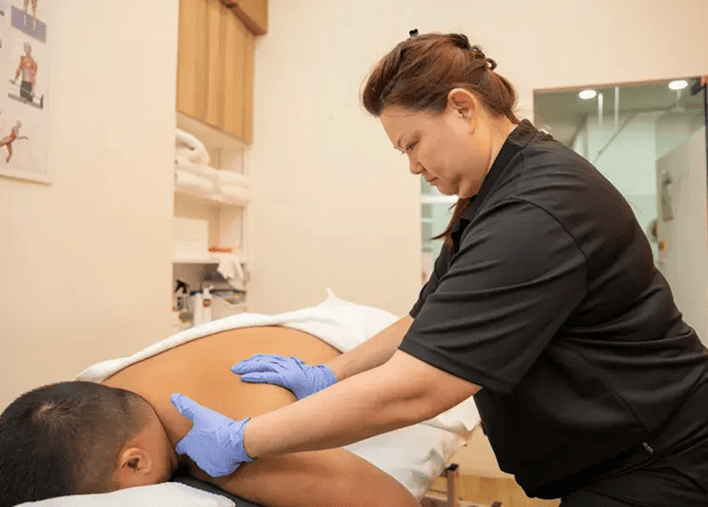
Manual Therapy
Manual therapy involves gentle, hands-on techniques that may help mobilise joints and release soft tissue restrictions. It helps reduce stiffness, improve circulation, and restore range of motion. This approach is often combined with other treatments such as stretching, strengthening, and posture correction.
Each session is tailored to your condition, helping restore mobility and ease discomfort from musculoskeletal or postural issues.
Therapeutic Exercise
Therapeutic exercise focuses on helping to restore movement, flexibility, and strength through targeted activities prescribed by physiotherapists. It promotes functional recovery and helps reduce recurring pain.
Each exercise programme is personalised to your goals, fitness level, and medical condition. Regular progression supports long-term improvement in mobility and confidence during daily activities, making it a cornerstone of effective physiotherapy care.
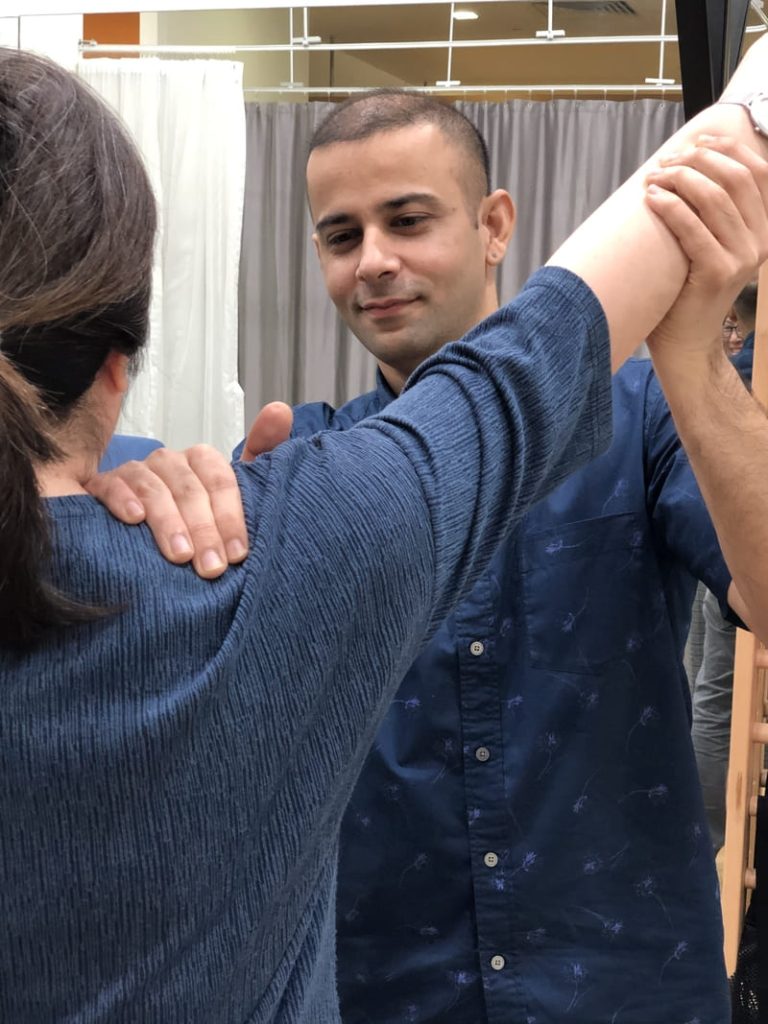
Shockwave Therapy
Shockwave therapy uses acoustic waves to help stimulate tissue healing and enhance blood flow in chronic tendon or muscle conditions. It is often used for plantar fasciitis, tennis elbow, or shoulder tendinopathy.
The procedure may help support pain reduction and tissue repair when combined with exercise and other rehabilitation techniques, helping improve recovery outcomes and function.
Low-level Laser Therapy
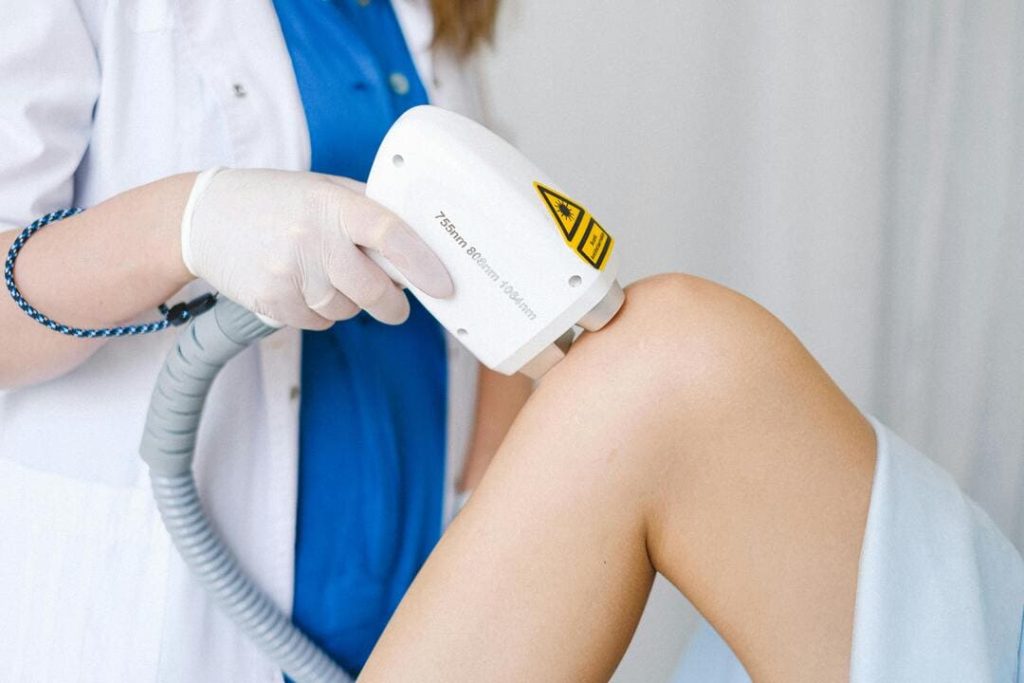
Low-level laser therapy uses a device that applies light energy to the targeted tissues to support cellular repair and reduce inflammation. This is a treatment that is typically used for joint pain, muscle strain, or post-surgical recovery under professional supervision. This therapy may complement physiotherapy exercises by improving local circulation and helping to support tissue recovery. Treatment settings are adjusted depending on the progress of your condition.
Leave Us a Review
Thank you for visiting Phoenix Rehab. Tap the clinic you visited — it takes less than 60 seconds.
★★★★★ — thank you!
What Our Patients Say
Verified Google reviews across our clinics in Singapore
Why We Exist
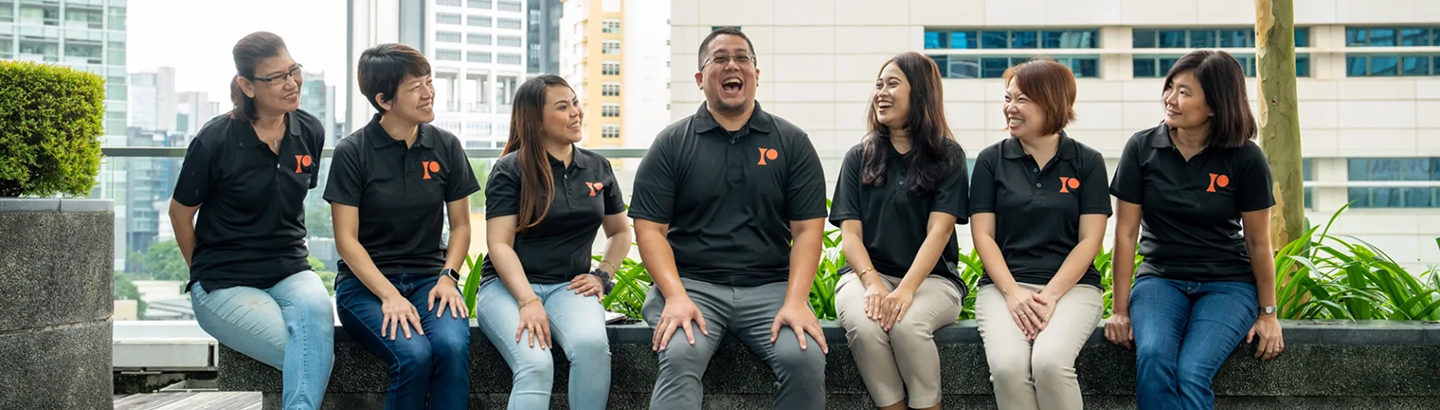

From the moment you walk into our Phoenix Rehab physio & hand clinics in Singapore, you become family
Once you walk through our doors, you are treated with the same care and attention we’d give our own. Experience attentive care in a supportive environment focused on your comfort, recovery, and long-term physical well-being.
From your first visit, our team ensures you feel heard, supported, and guided through each step of your rehabilitation. Every session is conducted in a welcoming space where your progress, comfort, and confidence are our priority. Our goal is to help you move comfortably and functionally in everyday life.
