Physical medicine has evolved significantly, introducing various advanced treatment modalities for healing and pain relief.
Extracorporeal shock wave therapy (ESWT) and ultrasound therapy have gained popularity for their effectiveness, especially in treating tendinopathy (tendon problems and pains), as well as reducing pain intensity, frequency and duration too.
But, there is some confusion over the differences as they seem to treat similar conditions in a similar way.
In this article, we’ll explore the key differences between shockwave and ultrasound therapy for your better understanding to help you choose.
What is shockwave therapy?
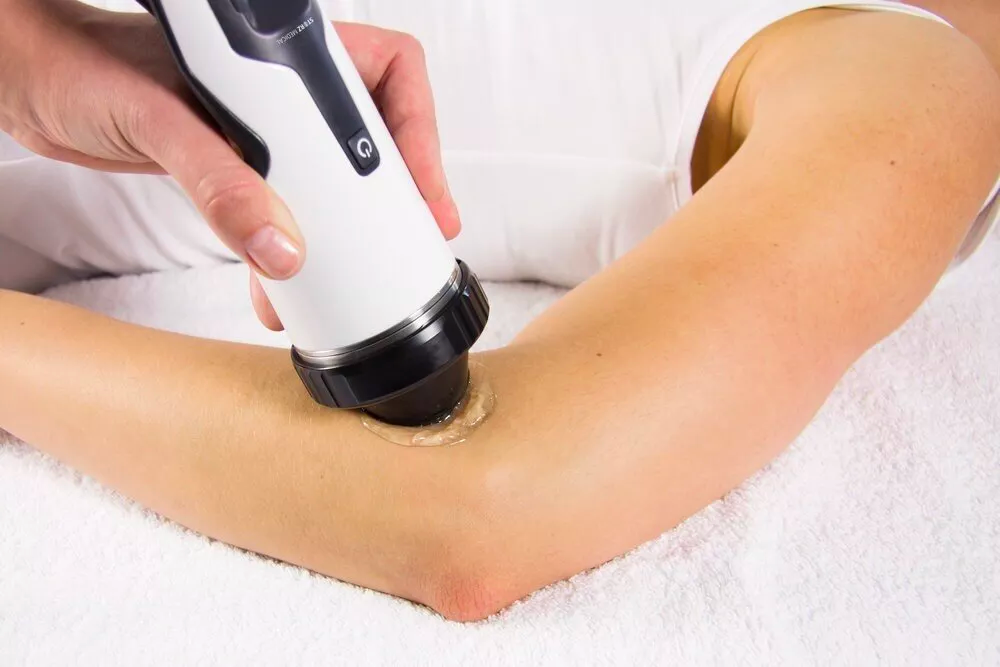
Shockwave therapy, or extracorporeal shockwave therapy (ESWT), is a non-invasive procedure that uses acoustic waves to promote tissue healing and reduce pain.
The shockwave machine generates high-energy sound waves through electromagnetic pulses or compressed air, which are then focused on the precise area of injury or pain.
This type of therapy helps to stimulate blood circulation, collagen production, and cellular regeneration, aiding healing.
There are two primary types of shockwaves utilised to treat various musculoskeletal conditions and promote tissue healing, but they differ in their application and therapeutic effects.
Focused shock wave therapy (FSWT)
Focused shock waves are high-energy shockwaves that are concentrated and delivered precisely to a specific target point within the body – specifically to target deep tissues.
This therapy is often administered with a specialized applicator, enabling accurate and focused treatment on the affected area.
Radial shock wave therapy (RSWT)
Unlike focused shock waves, radial extracorporeal shockwave therapy disperses the healing energy more broadly, covering a larger treatment area.
Learn more about ESWT here!
What is ultrasound therapy?

On the other hand, ultrasound therapy or therapeutic ultrasound uses high-frequency sound waves to generate gentle heat within the body’s tissues.
This therapeutic heat improves blood flow and increases the flexibility of muscles and tendons, making it an effective treatment for
– chronic pain
– muscle spasms and
– joint contractures
Ultrasound machines emit healing therapeutic sound waves through a transducer on the skin’s surface.
These ultrasound waves penetrate deep into the targeted tissues, generating heat and promoting the healing process and relaxation.
Learn more about ultrasound therapy here!
What is the difference between ultrasound and shockwave therapy?

Shockwaves and ultrasound treatments differ in how they are administered and the disorders they can treat.
Mechanisms
ESWT uses high-energy mechanical sound waves (therapeutic shock waves) to stimulate healing in injured areas of bones, tendons, and other soft tissues. These shock waves cause physical disruption or stimulation in the tissue, promoting increased blood flow and healing.
Meanwhile, ultrasound therapy uses sound waves at a much higher frequency than we can hear to generate heat deep within the body’s tissues. This increases blood flow and can help to speed up healing, decrease pain, reduce inflammation and improve the elasticity of tissues.
Applications
ESWT works well for recovery and is often used for treating chronic pains or injuries such as plantar fasciitis, tennis elbow, shoulder tendinopathies, and certain types of fractures that are slow to heal.
On the other hand, ultrasound therapy works well in both post-acute and chronic pain, inflammation and soft tissue injuries such as strains, sprains, tendon strains and even fractures too.
Restore vitality with our personalised physical therapy treatment today!

We hope that this article has managed to clear up the differences between shockwave therapy and ultrasound therapy!
Regardless, you should always consult a healthcare professional who can determine the best type of treatment for your specific condition and unique needs.
Luckily for you, Phoenix Rehab can do just that!
Our experienced physiotherapists are experts in assessing, diagnosing, prescribing, and treating movement and physical injuries, regardless of the cause of the pain.
Whether you’re dealing with injuries or musculoskeletal conditions, our expert physiotherapists help you regain pain-free movement, enhance function, and improve your overall quality of life.
Take the first step towards a healthier, more active lifestyle by scheduling a consultation with our experienced team at Phoenix Rehab today!