Temporomandibular joint disorder (TMD) is a painful-yet-common medical condition that limits the natural functions of the jaw, such as opening the mouth and chewing.
It affects more than 10 million people in the United States and is sometimes incorrectly referred to as simply “TMJ,” which represents the name of the joint itself (the accurate and correct term is “temporomandibular joint disorder” which should be TMJD.
TMD tends to affect more women than men and is most often diagnosed in individuals aged 20 to 40 years.
Its causes range from
- poor posture
- chronic jaw clenching
- poor teeth alignment
- jaw fracture
- conditions such as lockjaw, where the muscles around the jaw spasm and reduce the opening of the mouth
Our senior physiotherapists help people with TMD to ease and relieve pain, regain normal jaw movement and lessen daily stress on the jaw.
WHAT IS TEMPOROMANDIBULAR JOINT DISORDER?
Temporomandibular joint disorder (TMD) is a common condition that limits the natural function of the jaw, such as opening the mouth and chewing.
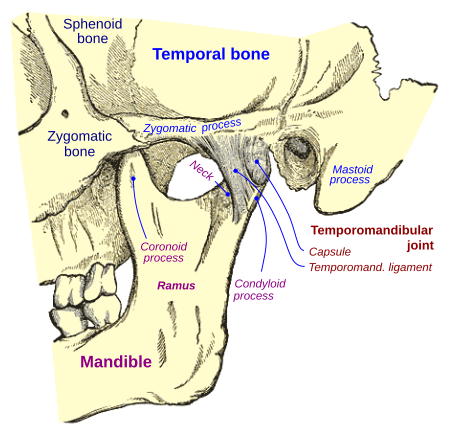
The temporomandibular joint (TMJ) is a hinge joint that connects your jaw to your skull in front of your ear and guides jaw movement as well as allows you to open and close your mouth and move it from side to side to talk, yawn, or chew.
TMD can be caused by:
Bad posture habits
One of the reasons TMD is so common is because many of us spend a great deal of time sitting at a desk, where we often hold our heads too far forward as we work.
But there are many other kinds of bad posture.
Sitting in the car for a long commute, working at a checkout station, always carrying your child on the same hip—all can place the head in an awkward position and cause jaw problems.
The “forward head position” puts a strain on the muscles, disk, and ligaments of the TMJ. The jaw is forced to “rest” in an opened position, and the chewing muscles become overused.
Chronic jaw clenching (“bruxism”)
Many people clench their jaws at night while they sleep, usually because of stress. Some clench their teeth throughout the day as well, especially when dealing with stressful situations.
This puts a strain on the TMJ and its surrounding muscles.
Problems with teeth alignment (“malocclusion”)
If your teeth are positioned in an unusual way, greater stress is placed on the TMJ when performing everyday jaw motions, such as chewing.
Jaw Fracture
In a traumatic accident involving the face or head, a fracture to the lower jaw may result and cause TMD. Even when the fracture is fully healed, TMJ stiffness and pain may remain.
Surgery
Individuals may experience a loss of TMJ mobility and function following certain kinds of surgery to the face and jaw.
Trismus (“lockjaw”)
This condition—where the jaw muscles spasm and the jaw cannot be fully opened—can be both a cause and a symptom of TMD.
Other causes of trismus include trauma to the jaw, tetanus, and radiation therapy to the face and neck.
Displacement of the disc or soft-tissue cushion located between the ball and socket of the TMJ, which causes popping or clicking of the jaw and, frequently, pain.
Arthritis in the Temporomandibular Joint
HOW DOES IT FEEL?
The symptoms of TMD can be temporary, or last for years. Jaw pain is the most common symptom.
CAUTION: Jaw pain also can be a symptom of a heart attack. Seek medical care immediately if jaw pain is accompanied by:
- Chest pain
- Shortness of breath
- Dizziness
- Left arm pain
- Numbness in the left arm
- Nausea
TMD can cause the jaw to lock or get stuck in a certain position.
You may experience
- headaches
- feel pain when chewing certain foods
- have difficulty fully opening your mouth
TMD symptoms include:
- Jaw pain
- Jaw fatigue
- Difficulty opening your mouth to eat or talk
- Ringing in your ears
- Dizziness
- Headaches
- Popping sounds in your jaw
- Neck pain
- Locking jaw
HOW IS IT DIAGNOSED?
To identify the cause of your symptoms, we may:
- Review your medical history, and discuss any previous surgery, fractures, or other injuries to your head, neck, or jaw.
- Ask you to describe your pain, including headaches, and observe any pain patterns in the neck and TMJ.
- Conduct a physical examination of your jaw and neck, including the soft tissue and muscles in the area.
We will evaluate your posture and observe how your cervical spine moves (the cervical spine is the upper portion of your spine, situated in your neck).
We will examine your TMJ to find out how well it functions and whether there are any abnormalities in your jaw motion.
If, after the examination, we suspect that your pain is a result of the position (“alignment”) of your teeth, the therapist will refer you to a dentist for further examination.
HOW OUR SENIOR PHYSIOTHERAPISTS CAN HELP YOU
We can help you restore the natural movement of your jaw and decrease your pain. Based on your condition, we will select treatments that will work best for you.
Your physiotherapy treatments may include:
Posture Education
If you sit with your head in an increased forward position, you are placing greater strain on the muscles beneath your chin, causing the lower jaw to pull back and the mouth to be in an open position even when resting, increasing stress on the TMJ.
You also might be overworking the jaw muscles to force the jaw closed so your mouth isn’t open all the time.
We will teach you to be aware of your posture so that you can improve the resting position of your jaw, head, neck, breastbone, and shoulder blades when you’re sitting and walking.
Improving Jaw Movement
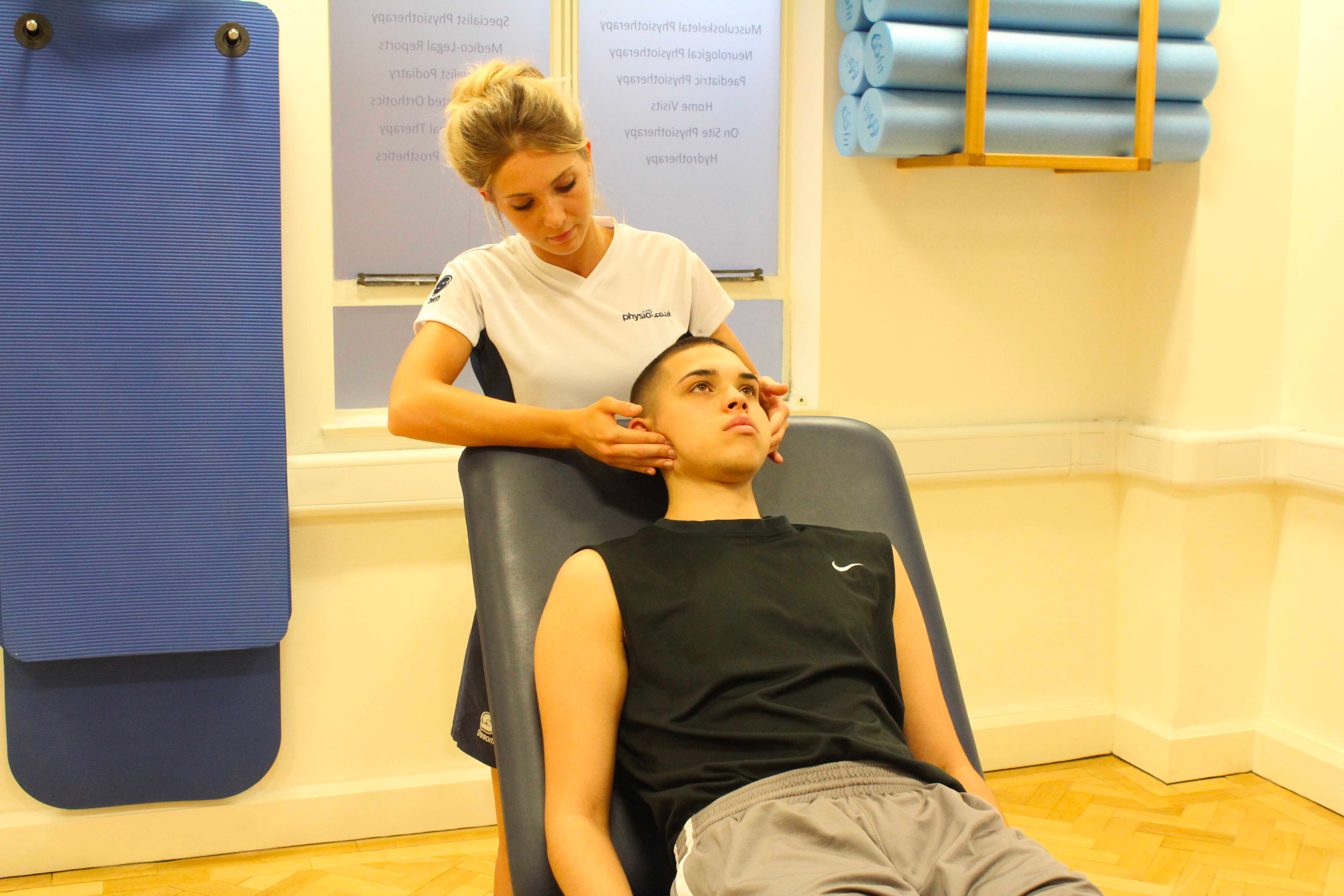
We use skilled hands-on techniques (manual therapy) to gently increase movement and relieve pain in tissues and joints.
We may use manual therapy to stretch the jaw in order to restore normal joint and muscle flexibility or break up scar tissues (“adhesions”) that sometimes develop when there is constant injury.
We will teach you special “low-load” exercises that don’t exert a lot of pressure on your TMJ, but can strengthen the muscles of the jaw and restore a more natural, pain-free motion.
Special Pain Treatments
If your pain is severe, Phoenix Rehab may provide treatments, such as
- electrical stimulation
- ultrasound therapy
- radio-frequency Indiba physiotherapy
- deep tissue release
- cold therapy
- heat therapy
- trigger point release
Referral to a Dentist
If your TMD is caused by teeth alignment problems, we can refer you to a dentist who specializes in TMD. They can correct the alignment with special appliances, such as “bite guards” that create a natural resting position to relax the TMJ, relieve pain and improve jaw function.